


KAMPALA, UGANDA — King Ceasor University (KCU) has officially been granted its University Charter, a significant milestone that confers full legal recognition to the institution. This charter authorizes KCU to admit students from around the world and award degrees at undergraduate, Master’s, PhD, postgraduate, and professorship levels.
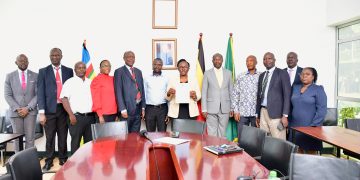
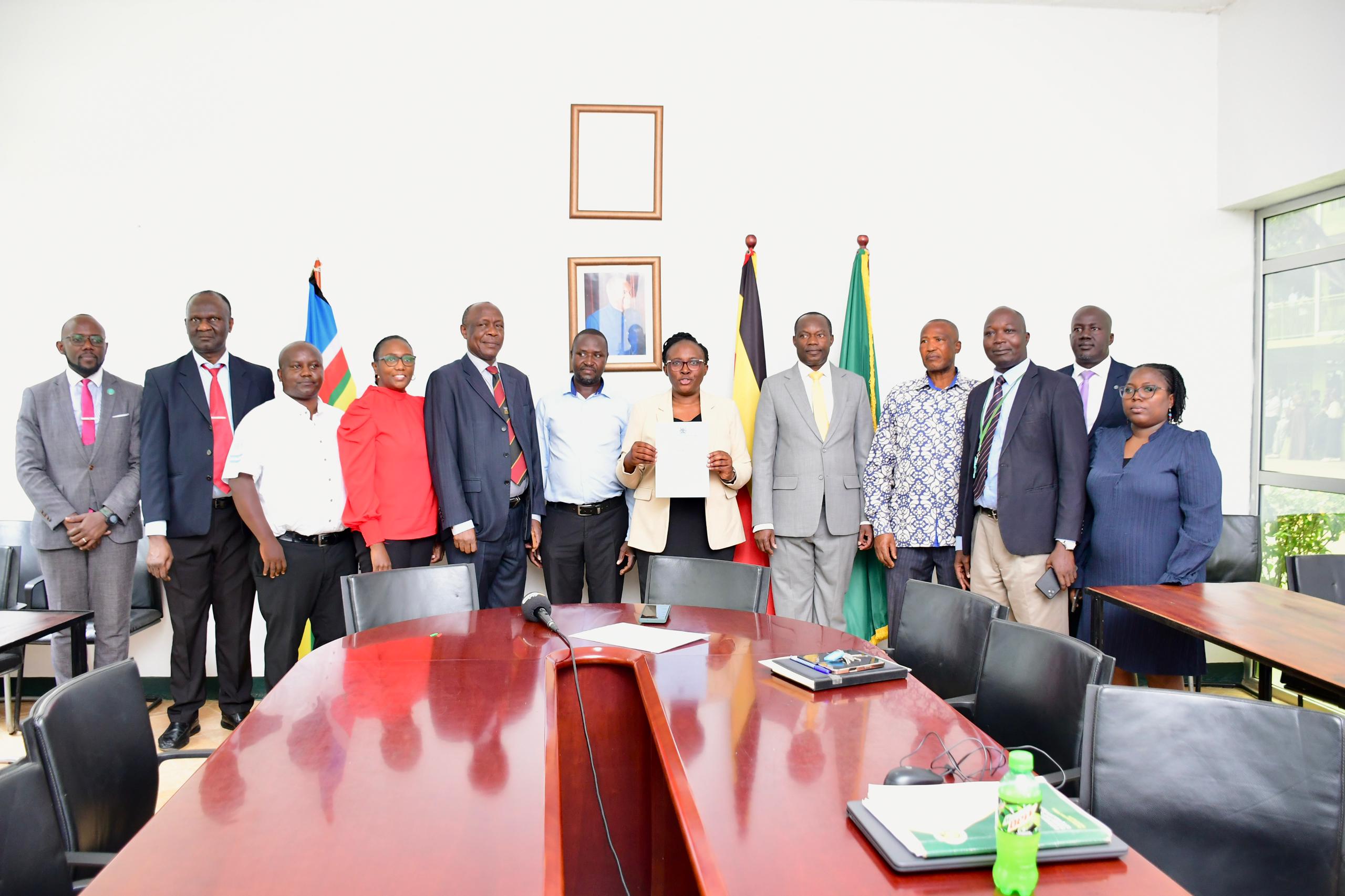
The National Council for Higher Education (NCHE) formally presented the charter, which was signed by President Yoweri Museveni on July 3, 2025, during a ceremony held at KCU’s Bunga campus in Kampala.
With this charter, King Ceasor University gains the legal authority to operate autonomously and establish its governance framework, solidifying its status as an accredited institution of higher learning.
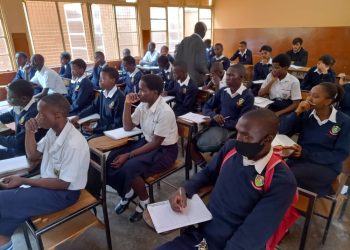
Operating for 17 years, KCU has specialized in training professionals across diverse fields such as medicine, law, nursing, cybersecurity, entrepreneurship, and engineering.
His Majesty, His Excellency King Ceasor T.G., the university’s proprietor and founding chancellor, highlighted the institution’s dedication to producing graduates equipped to generate employment and compete globally. He emphasized that the charter would greatly enhance these efforts.
“Being fully endorsed by the President signifies our commitment to service humanity,” King Ceasor stated. “This charter means anyone, from any country in the world, can come and study at King Ceasor University. Our students will be eligible to pursue postgraduate studies anywhere internationally.”
In his role as Honorary Consul of Vietnam to Uganda, King Ceasor T.G. also described KCU’s innovative approach to medical education, which involves practical training at multiple specialized hospitals. This model ensures students gain broad exposure to community health issues and clinical expertise.

As a private university, KCU attracts a diverse student body from across the globe, including the USA, UK, Germany, China, Belgium, India, Switzerland, Russia, France, Italy, Brazil, Canada, Australia, Singapore, Indonesia, Thailand, Japan, South Korea, Israel, Turkey, Mexico, Sweden, Saudi Arabia, Kenya, Egypt, Sudan, Ethiopia, Congo, Tanzania, Nigeria, Palestine, Rwanda, Malawi, and many other African countries.
The university offers a wide range of programs designed to equip students with competitive skills for their future careers. KCU aspires to be an innovation-driven institution that fosters socio-economic transformation through cutting-edge teaching, learning, and research.
Founded in 2005 by King Ceasor T.G., the university initially operated under the names Montessori University (2009) and St. Augustine International University (2010–2019) before adopting the King Ceasor University name in 2020. It obtained an interim letter of authority and a provisional license from NCHE on September 26, 2011, before receiving its full charter in July 2025.
“We are the first private medical school in Kampala, and my primary goal has always been to train health personnel—doctors and nurses—who serve humanity,” King Ceasor explained.

The charter was formally handed over by Steven Okoth, an NCHE legal officer, to King Ceasor University Vice Chancellor Dr. Charity Basaza Mulenga.
Dr. Basaza Mulenga said the charter would “further our mission to provide excellent education to learners.” She added, “This charter is both an honor and a call for greater responsibility, challenging us to strengthen governance systems and innovate amid a rapidly changing global environment.”
The charter was awarded less than three months after KCU’s recent graduation ceremony on May 5, 2025, where over 300 students graduated. At that event, Chancellor King Ceasor T.G. announced the introduction of a mandatory two-month certificate course in technology for new students. The course aims to prepare freshers for emerging technologies such as quantum computing, artificial intelligence, the Internet of Things, virtual reality, gene editing, and more.