


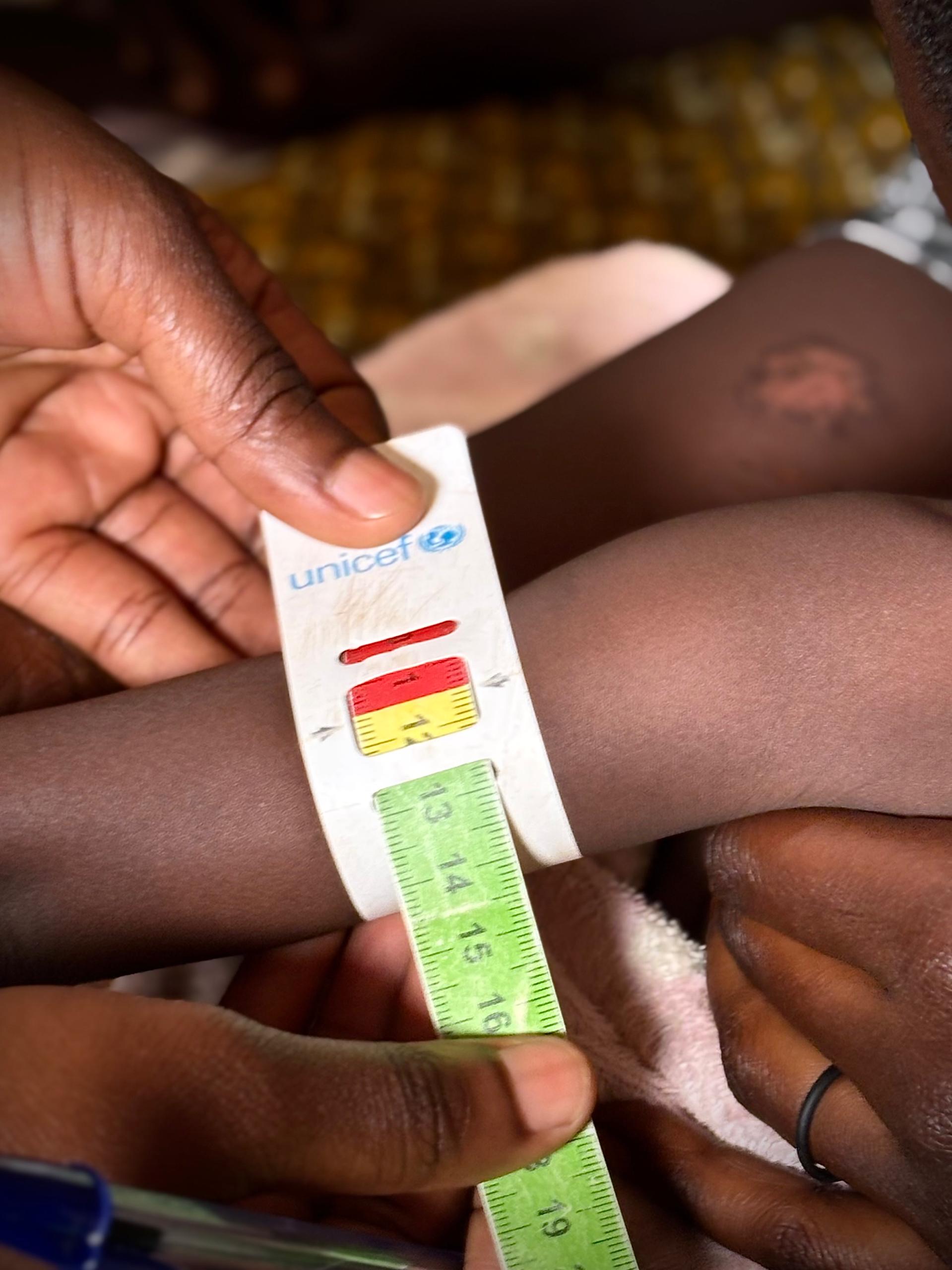
KIRYANDONGO, Uganda — Health leaders in Kiryandongo District have reported significant progress in the fight against child malnutrition, with new data showing that cases of Global Acute Malnutrition have dropped from 19 percent to about 7 percent in recent years.
District officials attribute the improvement to strengthened community health systems, expanded nutrition services and continued support from partners including UNICEF, the governments of the United Kingdom and Japan, and the European Union’s humanitarian aid, ECHO.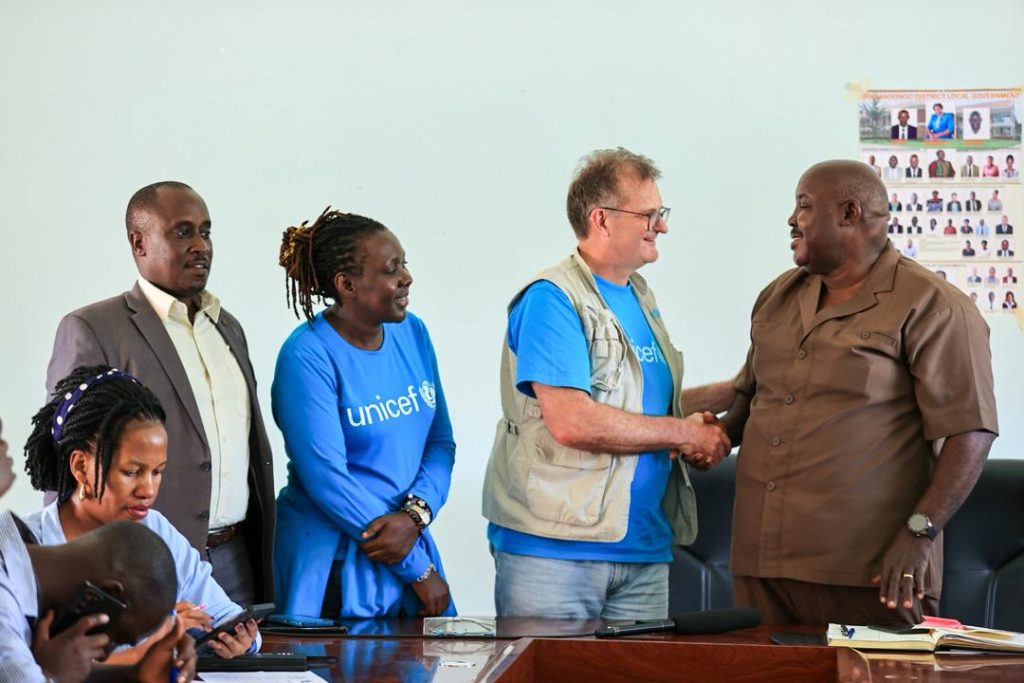 Community action driving early detection
Dr. Irene Nabiraka, Acting District Health Officer for Kiryandongo, said community engagement has been central to the progress made.
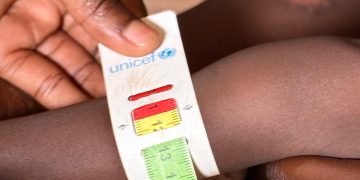
Through community care groups, trained Village Health Teams (VHTs) and integrated health outreaches, health workers are identifying malnutrition cases earlier and linking affected children and mothers to lifesaving care.
“Strengthening community action is key to tackling malnutrition,” Dr. Nabiraka said. “Continuous community screening, trained health workers and strengthened nutrition services have helped us detect cases early, and that is making a real difference for children.”
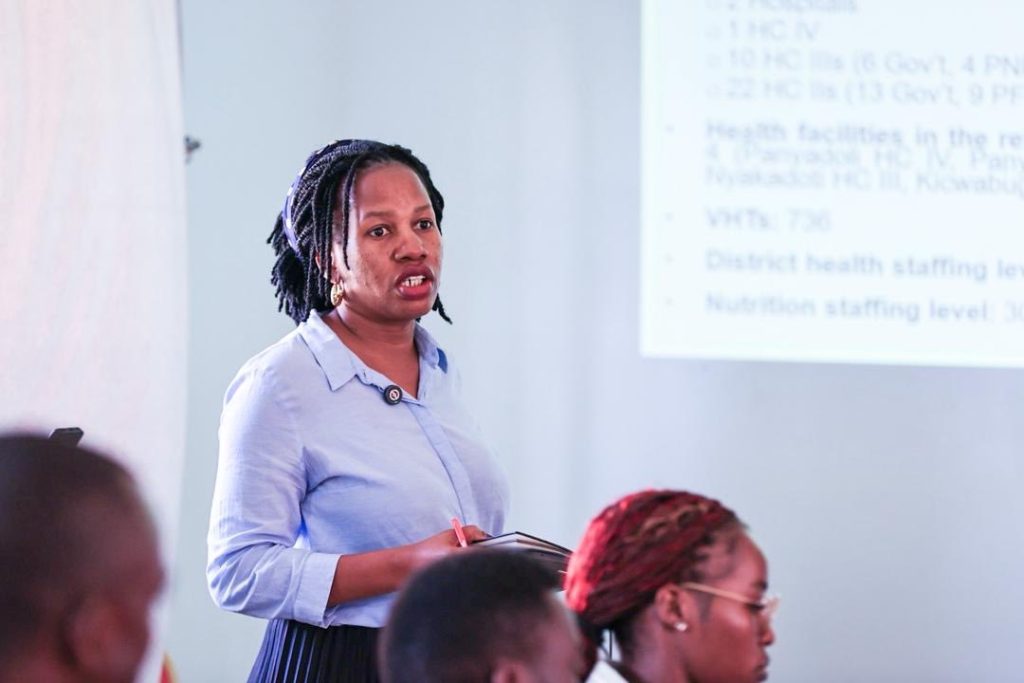
Health workers say early detection is critical because many children still arrive at health facilities with severe complications. According to Dr. Nabiraka, some families initially attribute symptoms such as swelling of the face and feet , a sign of severe malnutrition to witchcraft.
As a result, parents sometimes seek help from traditional healers first, delaying medical treatment.
“In some cases traditional treatments involve cutting the skin, which can cause infections and overwhelming sepsis,” she said. “By the time these children reach the health facility, their condition is often much worse.”
Health workers are also addressing cultural practices that affect infant feeding, as well as misconceptions that delay families from seeking care.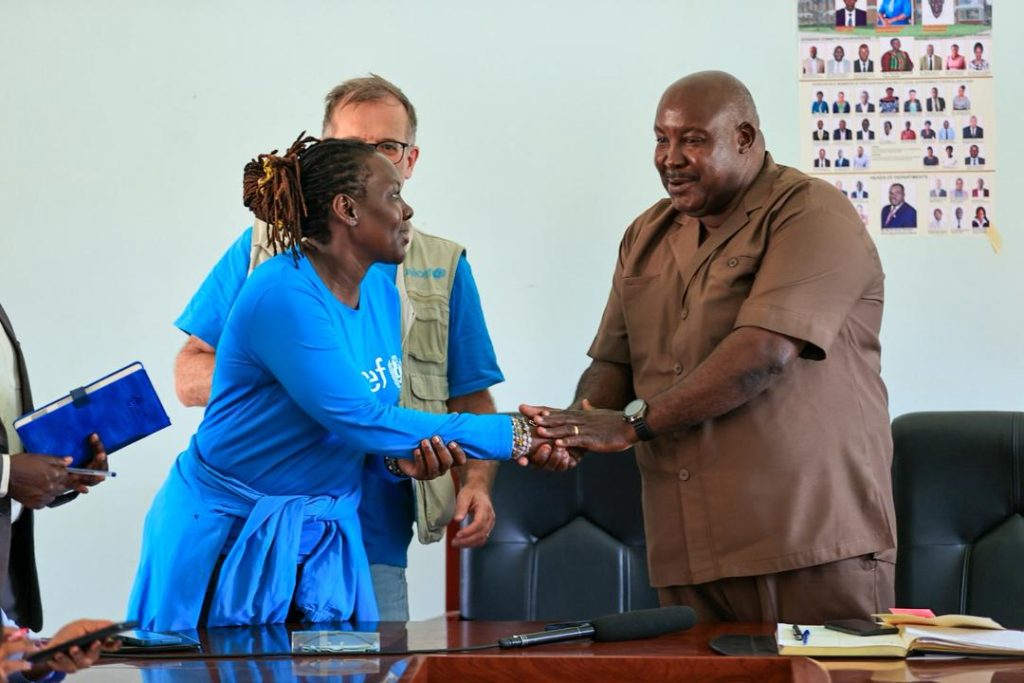 Integrated health services expanding access
To strengthen prevention and treatment, the Ministry of Health is integrating nutrition services with other essential healthcare programs.
During outreach visits, families can now access nutrition screening alongside immunization, antenatal care, family planning services, malaria testing and treatment.
Health officials say combining services helps maximize each visit and ensures more mothers and children receive comprehensive care.
Panyadoli Health Centre IV saving lives
At Panyadoli Health Centre IV, the main health facility serving the settlement and surrounding communities, nutrition services are reaching thousands of vulnerable families.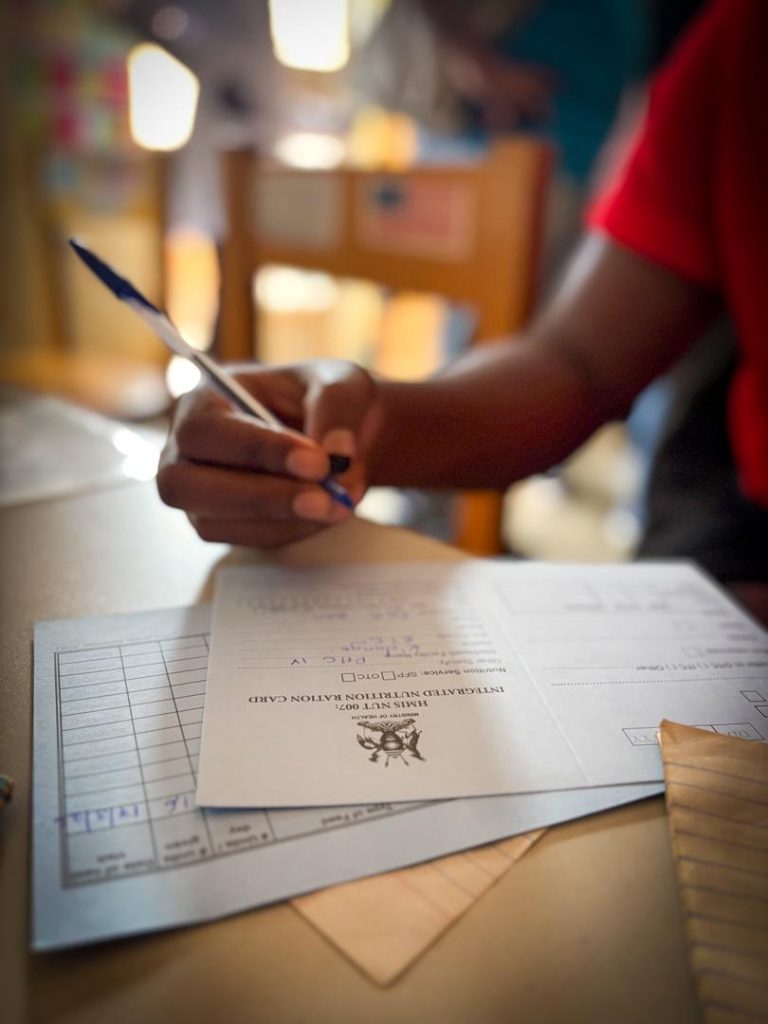 The facility, which serves more than 284,000 refugees and host community members, receives between 400 and 600 new patients every week.
Dr. Alex, a health official at the facility, said the nutrition unit provides inpatient therapeutic care, outpatient treatment and supplementary feeding programs for children suffering from severe and moderate malnutrition.
The outcomes have been encouraging;
87.5 percent cure rate for inpatient treatment of severe acute malnutrition, and 80 percent cure rate for outpatient therapeutic care
Children discharged from inpatient treatment receive weekly follow-up care until full recovery, supported by UNICEF and development partners.
The facility also runs a Mothers and Infant Nutrition Programme, which educates caregivers on balanced diets using food demonstrations and counseling sessions.
Refugee pressures and persistent challenges
Kiryandongo District hosts approximately 165,000 refugees, mainly from South Sudan, Sudan and the Democratic Republic of Congo, alongside a host community population of about 365,000 people.
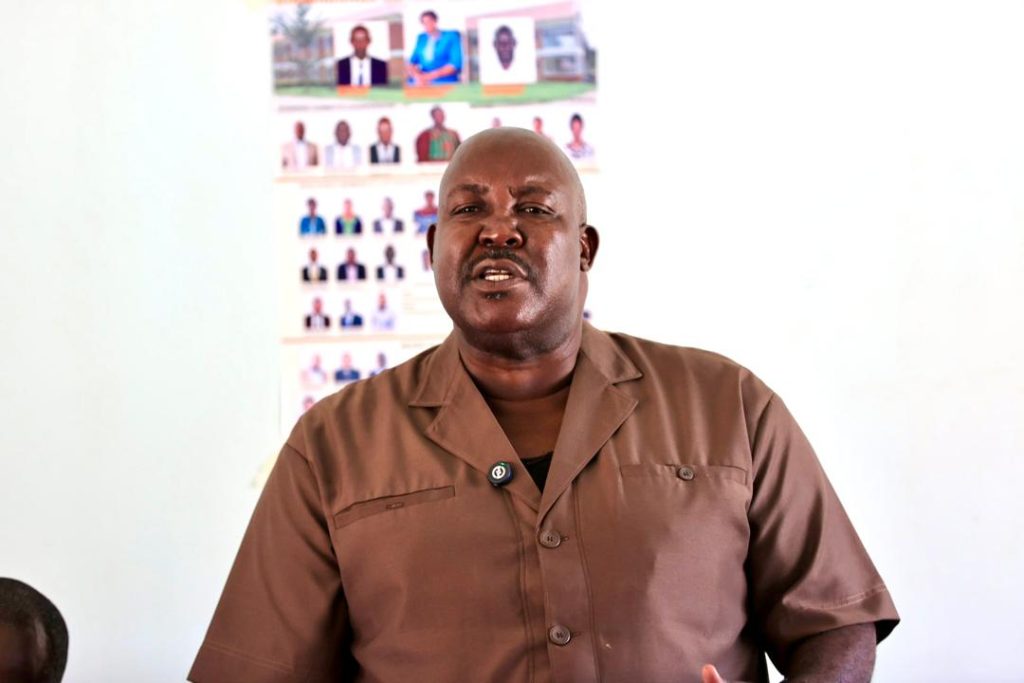
Chief Administrative Officer Anslem Kyaligonza described the district as a unique multicultural hub.
“Kiryandongo is known as the United States of Africa because we have over 82 tribes,” he said.
Uganda’s progressive refugee policy allows displaced families to settle in communities and access land, education and health services. However, the growing population has also created pressure on resources and public services.
District nutrition focal person Michael Balimugulira said food insecurity remains a major driver of child malnutrition. Limited land availability, floods and hailstorms destroying crops, poverty and gender-based violence all contribute to the problem.
Low crop diversity with many families relying heavily on maize also affects household nutrition.
School feeding programs are now being expanded through parent-led initiatives to reduce malnutrition and prevent school dropouts among young children.
Staffing shortages threaten gains
Despite progress, district officials warn that severe staffing shortages threaten the sustainability of nutrition services.
Recent funding cuts affecting implementing partners led to the loss of 146 health workers and 173 teachers in the district.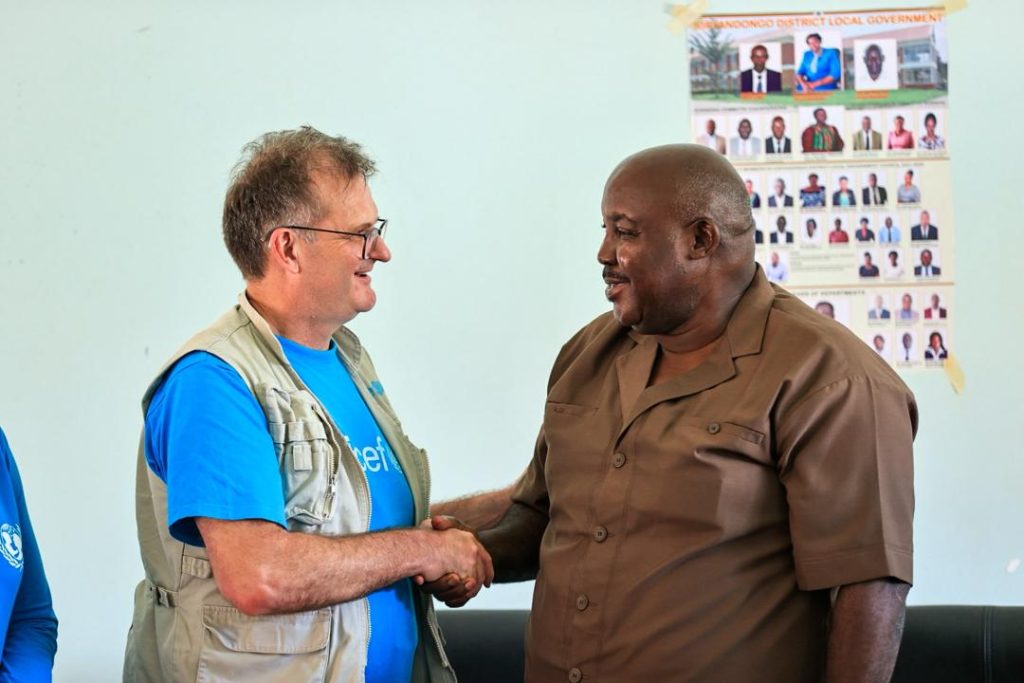 Kyaligonza said the district requires atleast 7 billion Uganda shillings to recruit replacement staff but currently has funding far below what is needed.
“With the current budget projections, we cannot recruit the health staff or teachers who were laid off,” he said, calling on central government to provide additional support.
At Panyadoli Health Centre IV, health workers say staffing shortages are already taking a toll. In some cases, a single government nurse covers 24-hour shifts in the nutrition unit.
Partnerships remain critical
UNICEF representatives praised Uganda’s refugee response and emphasized the importance of partnerships in sustaining progress.
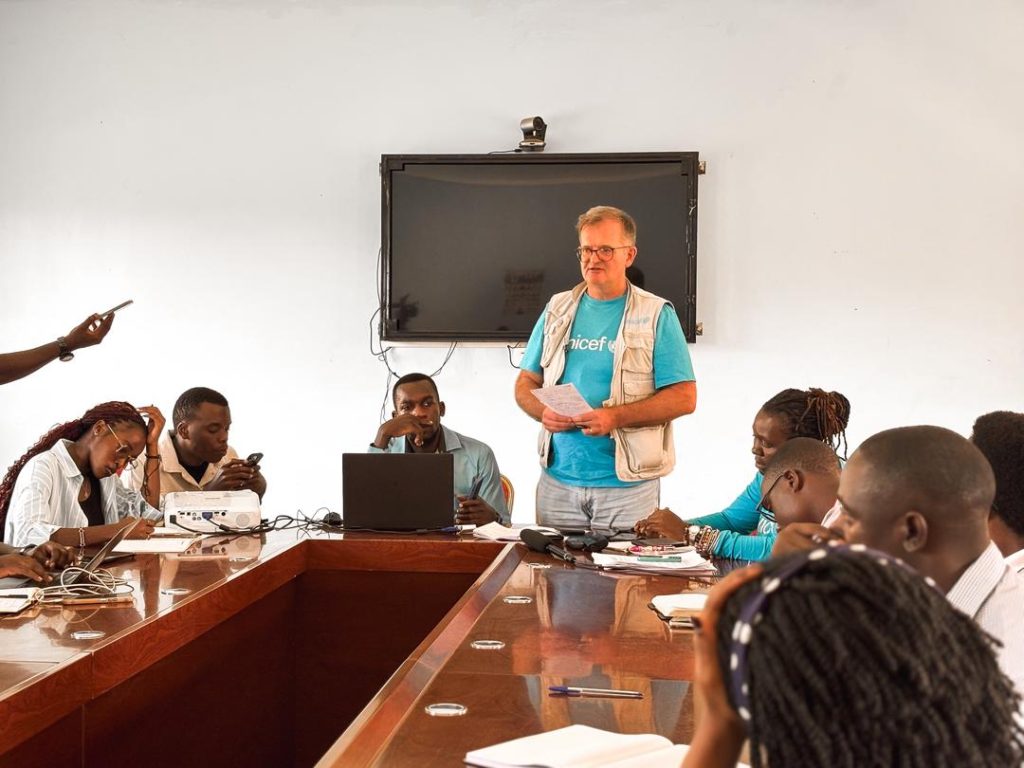
Yves Willemot, a UNICEF representative, said nutrition investments are critical for the future of children and communities.
“Nutrition is not only about treatment, it is about prevention,” he said. “Ensuring children have access to nutritious diets early in life is one of the most powerful investments a society can make.”
He also commended Uganda’s leadership in hosting refugees.
“Uganda continues to set a global example in refugee response. The hospitality shown by the government and districts like Kiryandongo demonstrates what solidarity truly looks like.”
UNICEF is currently implementing a new country cooperation programme with the Government of Uganda running from 2026 to 2030, aimed at strengthening health, nutrition, education and child protection services.