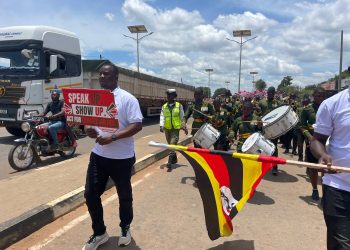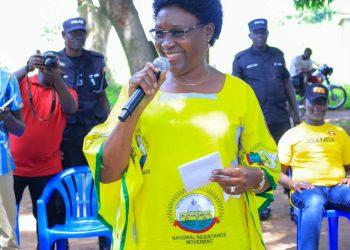



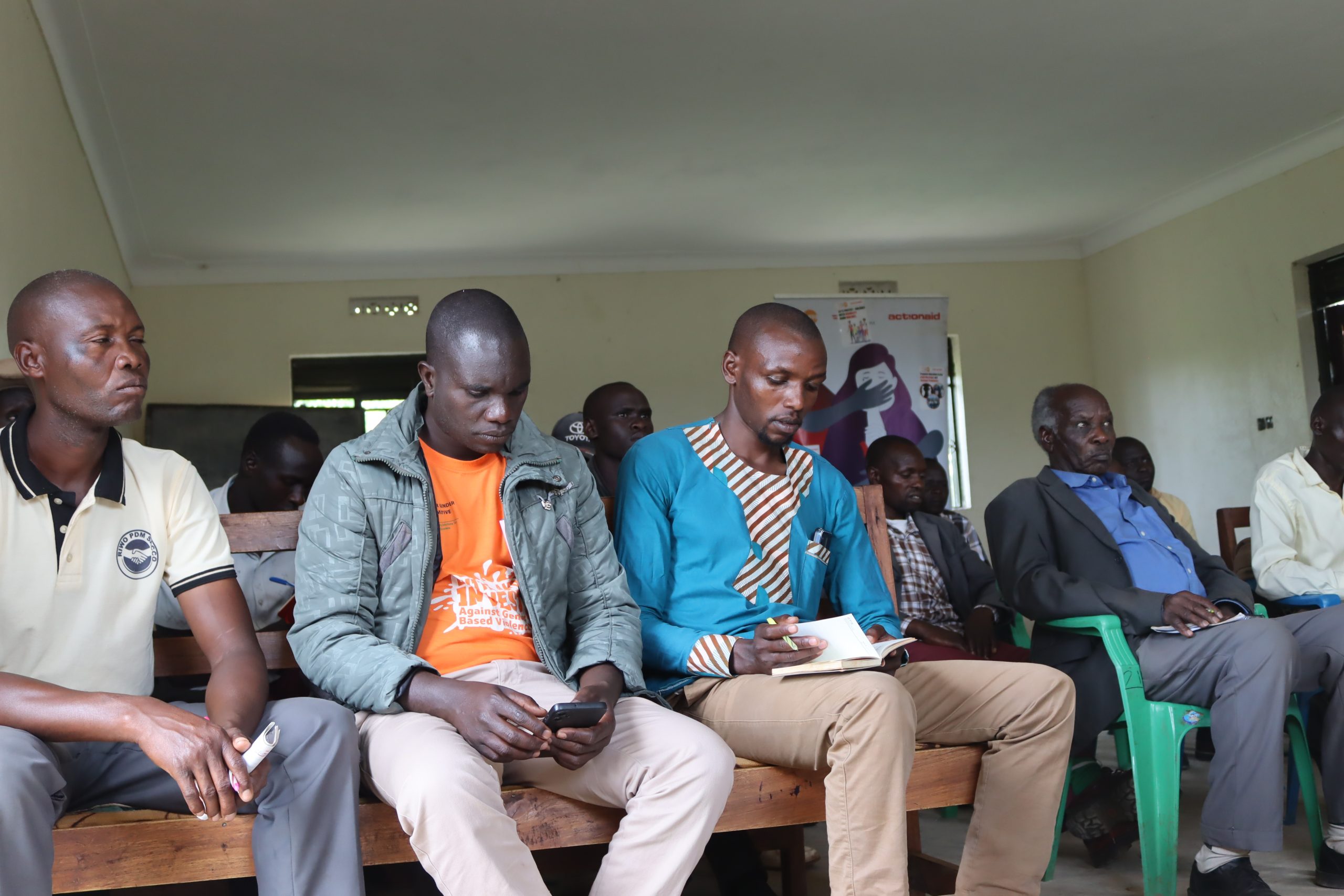
Riwo Sub-county, Bukwo District- Male-led efforts to eliminate harmful cultural practices are yielding positive results in Bukwo District, where a community-based initiative is significantly reducing the prevalence of Female Genital Mutilation (FGM), early marriages, and teenage pregnancies.
ActionAid Uganda, with funding from UNFPA is engaging men and boys—particularly youth, cultural, and religious leaders—through Gender Transformative Approaches. These approaches aim to shift attitudes and behaviors that have historically supported gender inequality and patriarchal practices.
“I am proud to report that FGM is now on a clear decline in our region,” said Festo Majinjach, Program Coordinator at Sabiny Transformation Initiative. “This progress has been made possible because men are finally stepping up to question long-standing social norms that harm women and girls.”
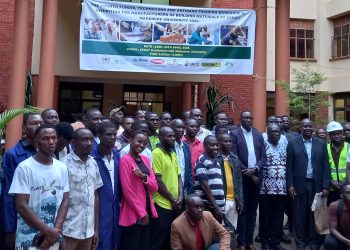
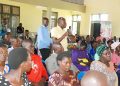
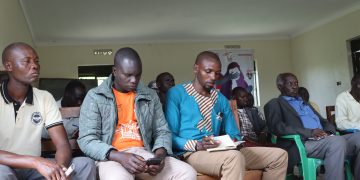
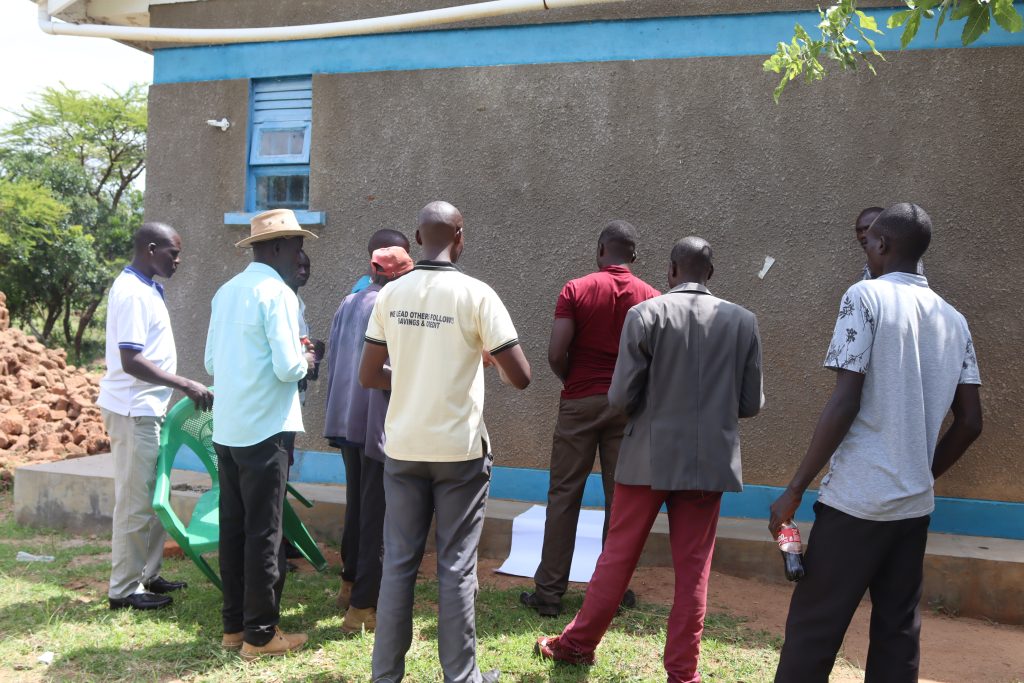
The latest engagement, held in Riwo Sub-county, facilitated by Festo Majinjach brought together community leaders and members to discuss the role of men in challenging traditional norms that have fueled FGM, unsafe abortions, early childbearing, and poor male involvement in maternal health.
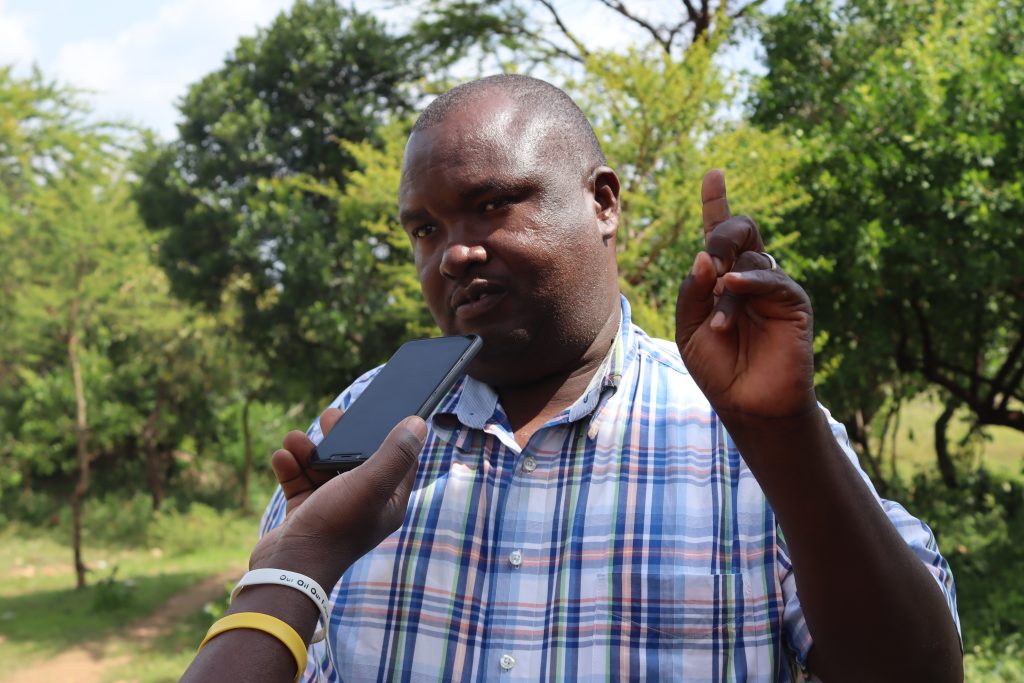
According to Majinjach, the program is helping communities reflect on outdated beliefs and empowering men to support women’s rights. As a result, more girls are staying in school, teenage mothers are returning to class, and families are beginning to support rather than shame young girls who become pregnant.
“In the past, pregnancy meant a forced marriage and the end of a girl’s education,” Majinjach noted. “Now, fathers are playing a key role in helping their daughters give birth safely and go back to school.”
The impact is evident.
FGM prevalence in the Sebei Sub-region has dropped to approximately 0.1%, with Bukwo contributing an estimated 0.0009%. However, the practice persists in some cross-border areas, where families continue to take girls to remote and unregulated parts of Kenya, such as Kachuriba and Mukutano, to undergo cutting in secret.
Majinjach noted that in one of the recent community dialogues, one elder reported a troubling case in which a medical worker allegedly performed FGM on a woman after childbirth. Although the incident was not officially documented, the community took the elder’s report seriously.
“It is extremely disappointing to hear that a trained health worker could carry out such a harmful act,” said Majinjach. “Even if it’s hearsay, when it comes from respected elders, we cannot ignore it.”
Majinjach also pointed out that Uganda’s Anti-FGM Act, while critical, has created fear around reporting.
Under current law, individuals who report FGM must serve as witnesses in court, which deters many from coming forward.
“We are calling on the government to review this law. People who report these crimes should be protected, not punished. Without witness protection, the practice becomes more secretive,” he stressed.
The cultural shift is already visible. Elders are now publicly encouraging young men to reject FGM, warning that it contributes to broken marriages, gender-based violence, and unfulfilled relationships.
“We are seeing real change. With continued education, community involvement, and legal reform, we believe we can completely eliminate FGM in our region,” Majinjach concluded.
Elder Speaks Out: “None of My 12 Daughters Were Circumcised”
During the gender transformative approaches meeting elders, youth, and male leaders shared their experiences in the fight against harmful cultural practices such as Female Genital Mutilation (FGM). Among the participants was Mzee Sali Kamwasu, an 83-year-old elder and father of 12 daughters, who spoke passionately about the impact of community advocacy and the power of male involvement.
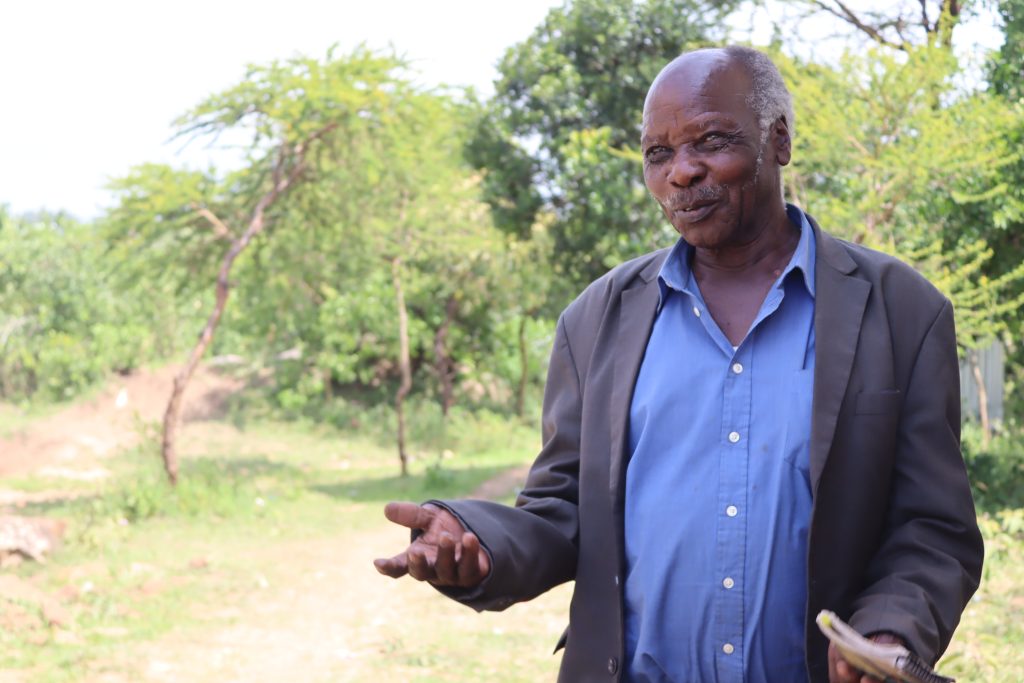
“Gender transformative approaches have helped reduce harmful practices in our area,” said Mzee Kamwasu. “FGM is going down, but we still need more sensitization, especially because we live near the border. Some of our girls who are not educated still sneak into Kenya and get circumcised.”
Kamwasu credited the younger generation and active youth advocacy for pushing change in the community.
“The youth have done a lot to fight FGM,” he noted. “And I also do my part as a father and an elder. In my family, I have 12 girls—but none of them has been circumcised.”
Reflecting on his personal life, Kamwasu shared how tradition once forced difficult choices on families.
“My wife was circumcised because, in those days, it was a must. There was no question. But after learning the dangers of FGM, I made a different choice for my daughters. I became sensitive to the issue, and I decided to protect them.”
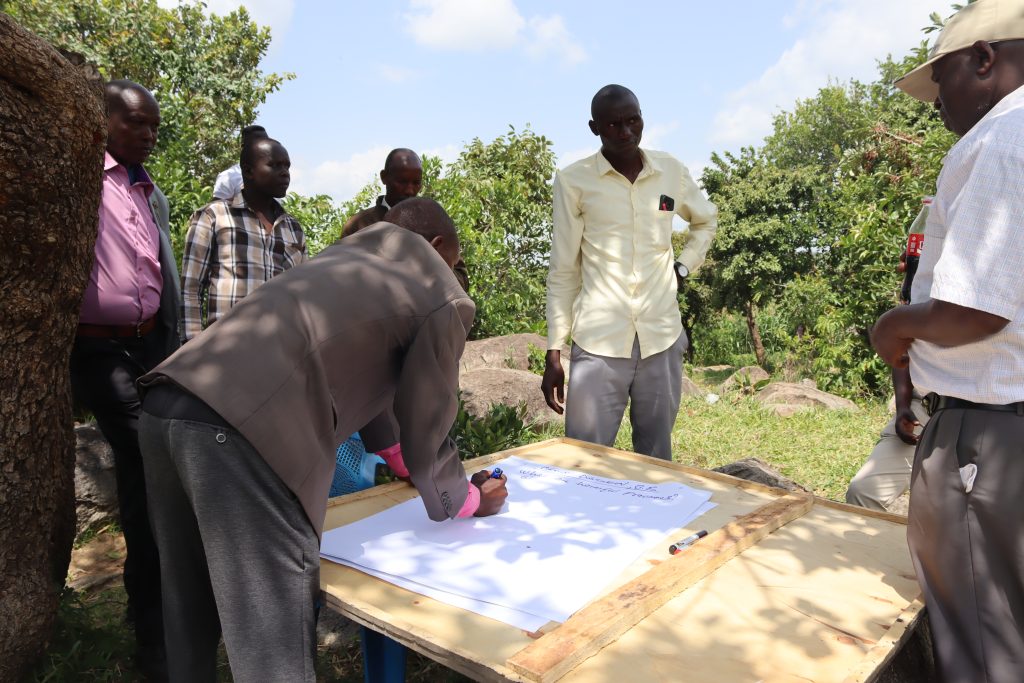
His story is part of a broader movement led by Sabiny Transformation Initiative and supported by ActionAid Uganda, which is empowering men and boys to challenge harmful social norms and traditions. Elders like Mzee Kamwasu are now leading by example and influencing other men to stand up for the health, rights, and dignity of women and girls.
“Change is possible,” Kamwasu added. “But we must continue the education, especially in areas near the border, where the old ways still try to come back.”
“Education Has also Helped Our Girls Say No to FGM” – Mutai Patrick
Community members in Bukwo District continue to speak out against Female Genital Mutilation (FGM), emphasizing the importance of educating girls as a key strategy in ending the harmful practice.
Mutai Patrick, 60, a resident of Kapsukut village in Liwo Town Council, who also attended the same meeting said that access to education has played a major role in reducing FGM in their community.
“When girls are educated, they understand the dangers of FGM,” he said. “They learn how it directly affects their health, and that knowledge gives them power to say no.”
Patrick credited organizations like ActionAid Uganda and its local partner, Sabiny Transformation Initiative, for supporting community efforts to end FGM through education and awareness.
“ActionAid has supported us in many ways. They’ve helped to educate parents and entire communities. People are now more aware than ever before,” he said.
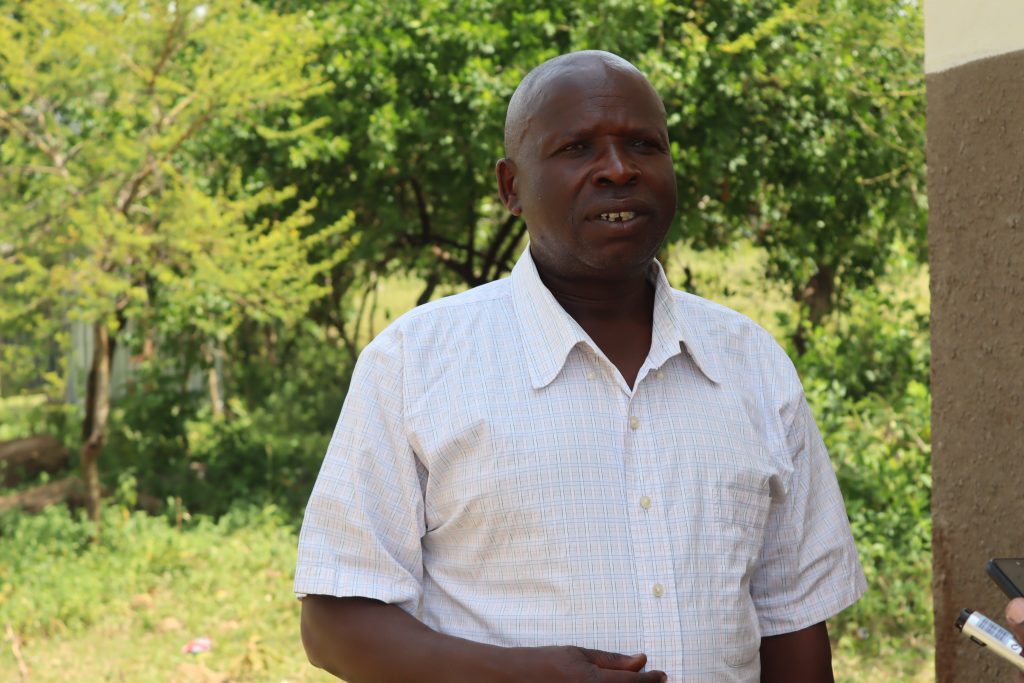
However, Patrick expressed concern over the continued practice of FGM in neighboring Kenya, which he said poses a serious challenge for border communities.
“The big problem we still face is that we live near the Kenya border,” he explained. “Some girls still cross into Kenya to get circumcised, because FGM is still high there.”
Despite this challenge, Patrick remains hopeful that continued awareness and cross-border collaboration will help eliminate the practice entirely.
“We’ve come a long way, but we must keep pushing—especially in educating girls and sensitizing communities near the border,” he concluded.
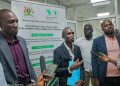
Samuel Ononge Francis, FGM Project Officer for the Sebei region under UNFPA, stated; “As ActionAid and other partner organizations we continue to work towards ending harmful practices in the Sebei region, Our focus is primarily on issues such as female genital mutilation (FGM), early child marriage, teenage pregnancy, and gender-based violence.”
“Today’s meeting is a reflection and review session involving cultural leaders, religious leaders, male change agents, and frontline workers. These individuals regularly engage with the community, and we believe they play a key role in timely and appropriate dissemination of vital information,” he noted.
According to him, the purpose of this meeting is to assess how male change agents and cultural leaders are applying a gender-transformative approach in their dialogues. “We want to ensure that such interactions promote gender equality.
“Similarly, in traditional settings, young boys have historically been excluded from discussions led by cultural leaders. There’s also a harmful belief that a woman who hasn’t undergone female genital mutilation should not speak during such dialogues, as she is considered culturally ineligible. We are working to change this.”