


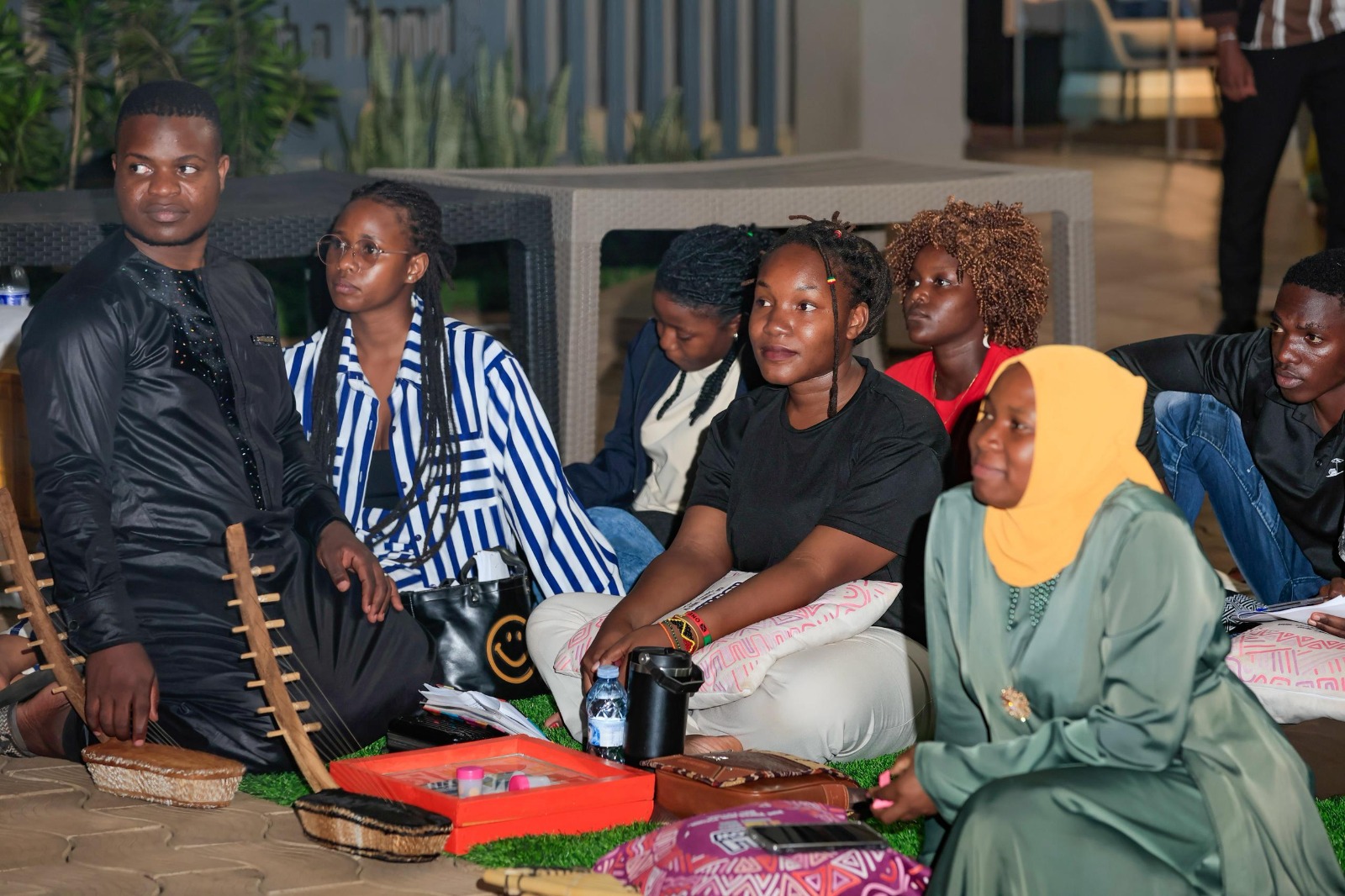
KAMPALA, Uganda — Reach A Hand Uganda on Friday hosted the inaugural Koi Koi Fireside Conversations at its Lugujja headquarters, creating a unique platform for cross-generational dialogue rooted in storytelling and cultural exchange.
Held under the theme “Stories of 18–30-Year-Olds in the 1990s,” the event revived the traditional fireside conversation format to encourage open discussions between older and younger generations on life experiences, values, and sexual and reproductive health and rights (SRHR).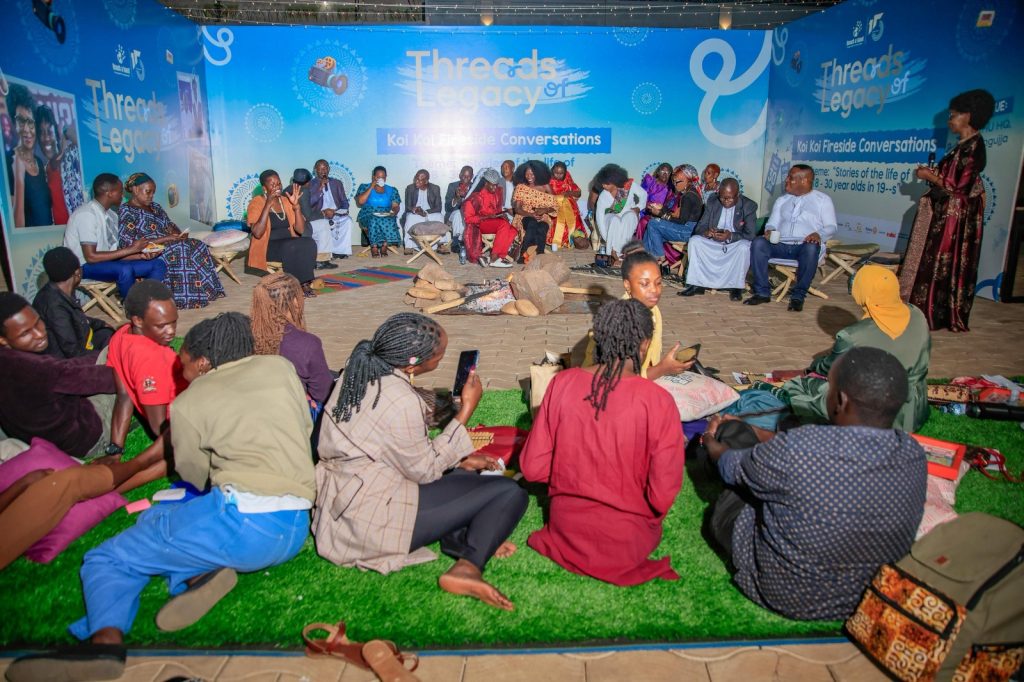 The gathering marked the launch of Threads of Legacy, an initiative designed to use innovative, culturally grounded approaches to connect generations, preserve heritage, and address critical issues affecting young adults, including SRHR.
“Young people are shaped by the leadership, guidance, and support of parents, guardians, and grandparents,” said Linda Musiime, Head of Strategy at Reach A Hand Uganda. “That is why Threads of Legacy is necessary now—to keep those connections alive.”
The event attracted several notable personalities, including Sam Bagenda, Halima Namakula, Benon Kibuuka, Fauziah Nakiboneka, Charles Ssekubunge, and Alysious Joy Matovu, among others.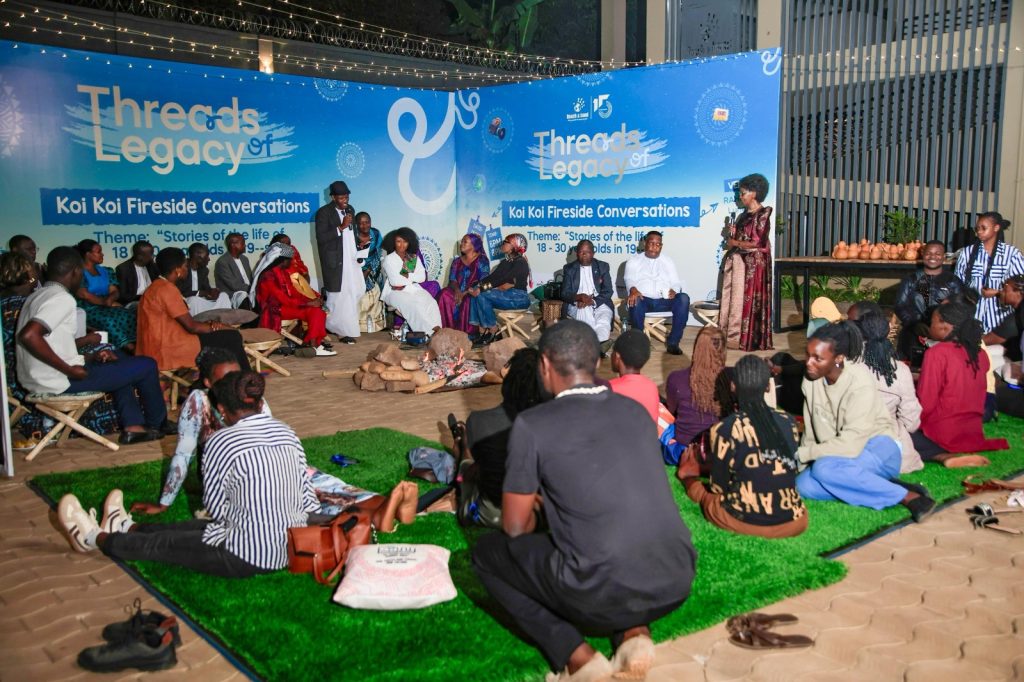 Discussions explored how earlier generations navigated hygiene, menstruation, puberty, and relationships—topics that were often handled privately and with limited access to information. Participants reflected on how positive engagement across generations can help reduce stigma, silence, and misinformation that continue to hinder young people’s access to accurate SRHR information and services.
“Back in the day, issues around sexual and reproductive health were never openly discussed with young people, even though we had very limited information ourselves,” noted Halima Namakula.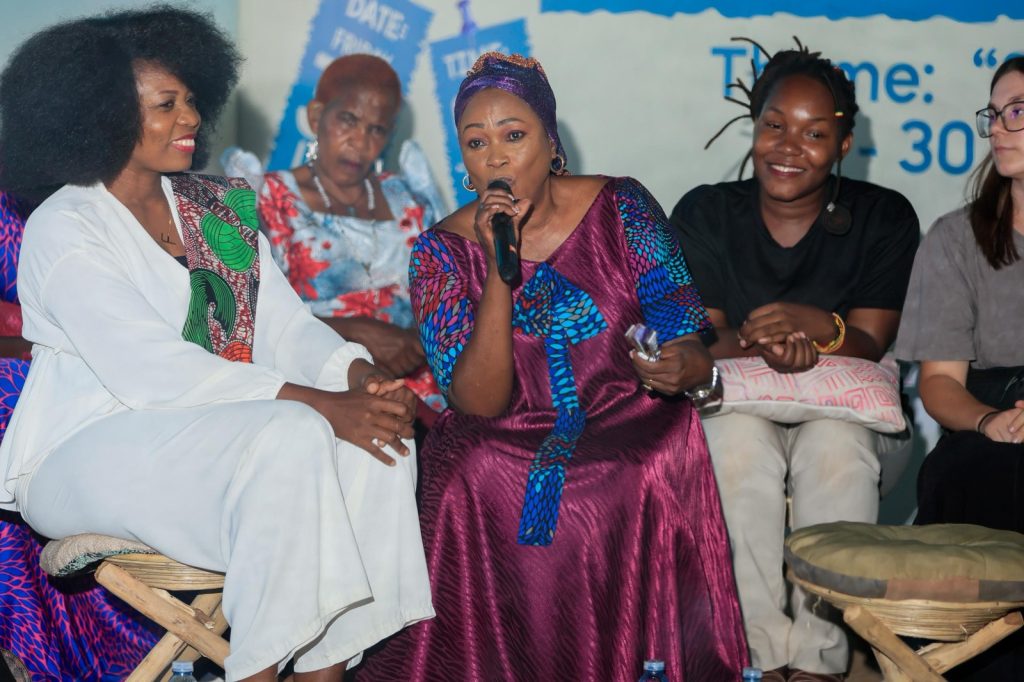 Echoing the importance of openness, Ashiraf Kanunu emphasized that withholding information can have unintended consequences. “When young people are protected from SRHR information out of fear that they may make mistakes, it often pushes them to seek answers elsewhere. This can be risky when the information is inaccurate.”
In Kampala’s urban setting, many young people live apart from their grandparents, who often remain in rural areas. This separation has weakened the transfer of intergenerational knowledge, leaving young people to rely heavily on peers and social media—sometimes leading to misconceptions and stigma.
Senior citizens who attended the event praised the initiative for fostering meaningful and respectful dialogue across age groups.
“This is an important step toward empowering young people, sharing wisdom, and building stronger, well-informed communities,” said Sam Bagenda.