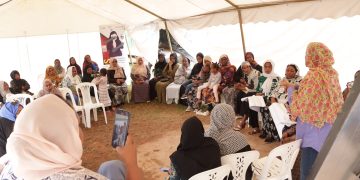



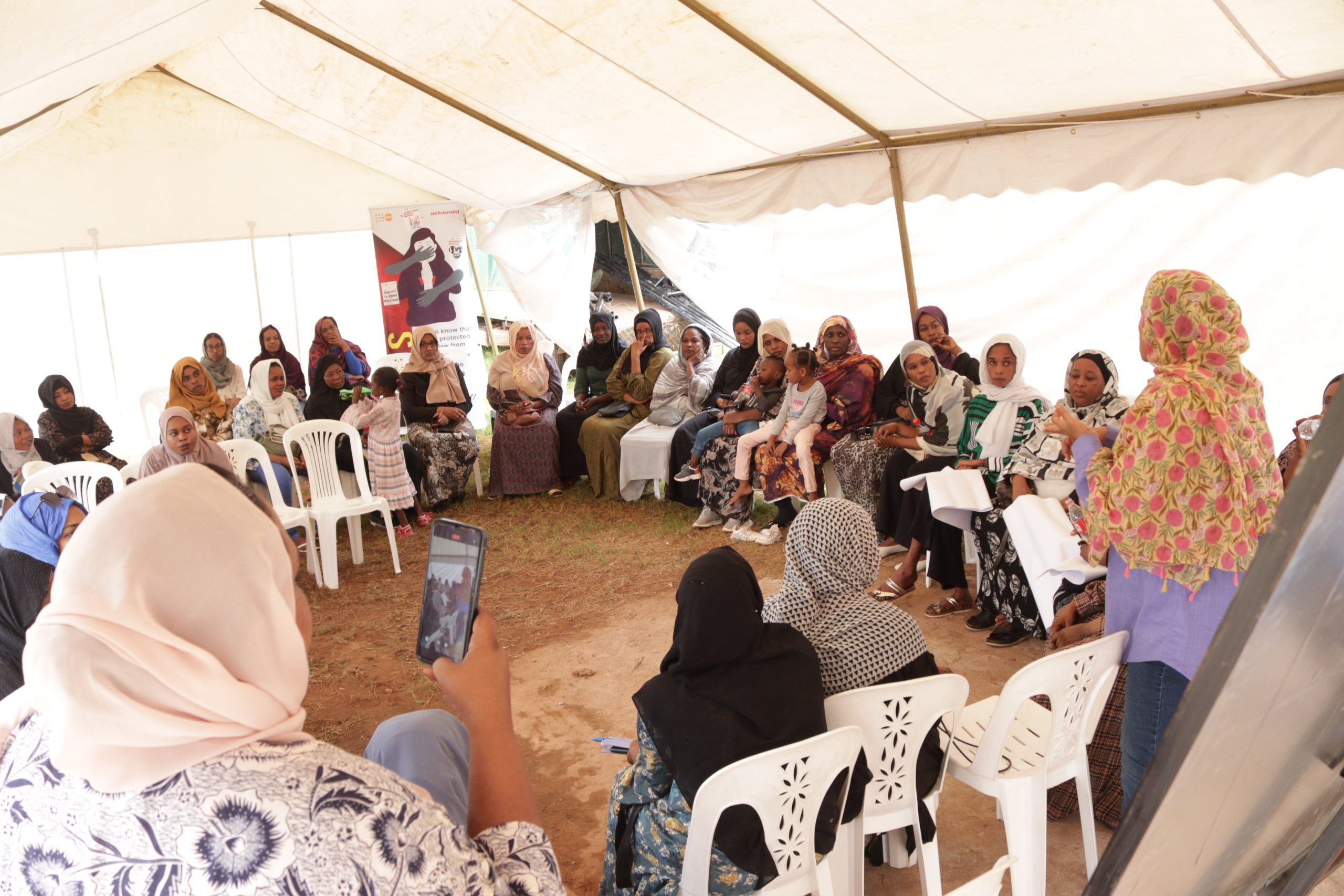
Entebbe, Uganda —The Women Refugees for Peace and Development Organization (WRPDO), based in Entebbe, is urging increased support and sustained services to address gender-based violence (GBV) within the refugee community. The appeal comes after a successful GBV awareness and sensitization session held by ActionAid International Uganda, in collaboration with the Government of Uganda and supported by UNFPA.
The meeting, held in Kitoolo, Entebbe, attracted over 50 participants, particularly Refugees from Sudan. It focused on ending harmful traditional practices such as early marriage and female genital mutilation (FGM), which continue to affect refugee communities.
The initiative also aimed to raise awareness and educate participants on the health risks and legal consequences of these practices.
“We are deeply grateful to ActionAid for providing us this opportunity,” said Amira Timan, Chairperson of WRPDO. “This session helped us address harmful cultural norms that still exist within our community and provided valuable information on the laws here in Uganda, where such practices are not only unacceptable but illegal.”
Founded to empower refugee women and advocate for access to essential services, WRPDO plays a key role in mobilizing and informing refugees in Entebbe. The town currently hosts more than 500 refugee households, predominantly from Sudan, the Democratic Republic of Congo, Eritrea, and Somalia. However, due to the limited presence of humanitarian agencies and NGOs in Entebbe, critical GBV services remain scarce.
“Most of the support systems are centered in Kampala,” Ms. Timan explained. “Entebbe is often left out, even though we have one of the largest refugee populations in the area. That’s why workshops like this are so important.”
The training not only covered harmful practices but also encouraged community members to report abuse and understand their rights under Ugandan law. Yet, Ms. Timan acknowledged that cultural stigma and fear of retaliation often prevent survivors from speaking out.
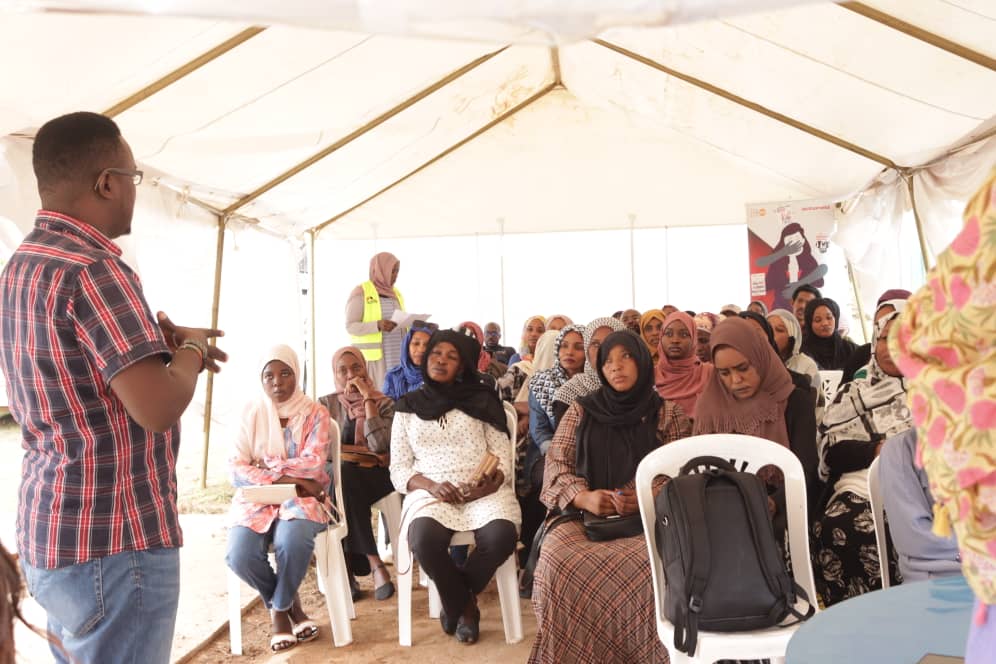
“People are still hesitant to report abuse—especially when it involves family members. Girls are afraid to report their parents, and women hesitate to report their husbands. It’s a cultural and emotional challenge,” she said. “That’s why continued sensitization is key.”
Although WRPDO is not a GBV-specialized organization, it often receives informal reports from community members and offers guidance, counseling, and referrals to the police or other authorities. However, the lack of formal GBV reporting channels in Entebbe makes it difficult to track the scope of the issue accurately.
“We know the cases are happening. Survivors come to us quietly, informally. We do our best to support them, but we need proper GBV services and trained professionals on the ground,” said Ms. Timan.
In addition to dealing with post-conflict trauma, refugees in Entebbe face challenges related to limited access to healthcare, mental health services, and legal aid. These factors contribute to the persistence of domestic and gender-based violence in the community.
“Gender-based violence is a major gap area in Entebbe,” Ms. Timan added. “We need long-term partnerships, more workshops, and comprehensive programs that address all aspects of GBV—from prevention and protection to legal action and survivor support.”
“The Ugandan government has welcomed us and supported us in many ways. But to truly protect our community—especially women and girls—we need more action: more services, more awareness, and more collaboration,” Ms. Timan concluded.