


The European Union, in partnership with the Government of Uganda and the Food and Agriculture Organization of the United Nations (FAO), is proud to support Uganda’s transition toward sustainable forest management and energy use through the Forest Management and Sustainable Charcoal Value Chain (FM&SCVC) Project (2021–2025).
Funded by the EU, the four-year initiative covers 14 districts across the country and is jointly implemented by the Ministry of Water and Environment and the Ministry of Energy and Mineral Development. Its objective is clear, to reduce environmental degradation, improve energy access, and strengthen livelihoods while contributing to global climate action.
Key Achievements Since 2021
Over 2 Million Tonnes of Carbon Emissions Mitigated; Through sustainable forest management and charcoal production practices, the project has demonstrated measurable progress in reducing greenhouse gas emissions.
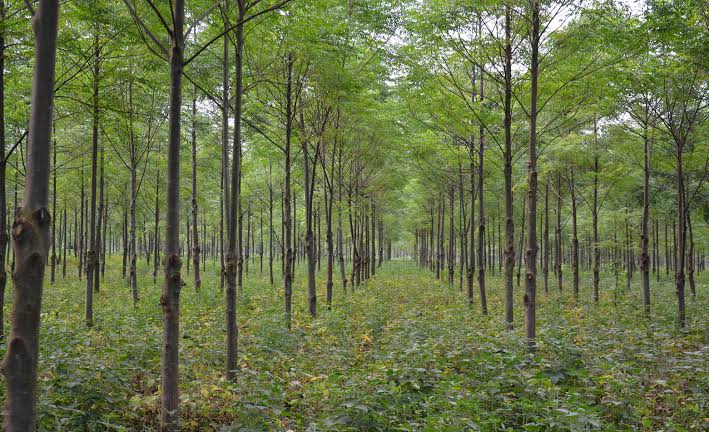
Establishment of Sustainable Wood Energy Plantations; Communities and private actors have established hundreds of hectares of fast-growing plantations that provide renewable sources of wood for charcoal, easing pressure on natural forests.
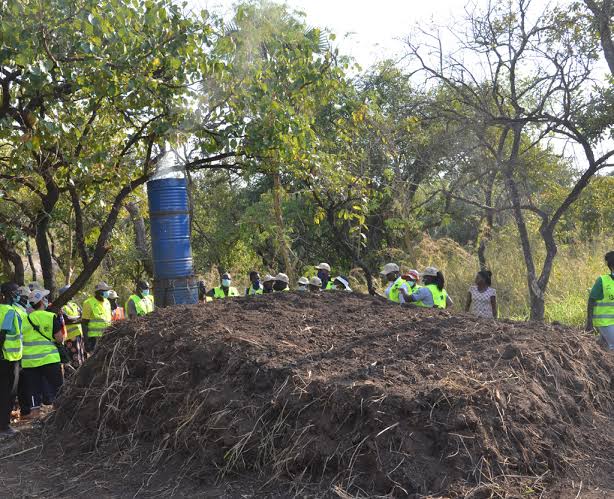
Introduction of Efficient Charcoal Technologies; The adoption of improved kilns has increased energy efficiency, reduced wood use, and cut emissions, transforming Uganda’s charcoal value chain.
Promotion of Clean and Alternative Energy Sources; By supporting access to modern and cleaner energy solutions, the project is reducing long-term reliance on charcoal and broadening energy options for households.
Strengthened Policy and Institutional Frameworks
EU-funded technical support and dialogue have enhanced Uganda’s capacity to regulate and enforce sustainable practices in the forestry and energy sectors.
Expansion of Collaborative Forest Management (CFM)
More than 300 community forest groups are now directly engaged in conservation, combining sustainable forest use with improved livelihoods.
Enhanced Partnerships and Local Ownership
Strong collaboration between government institutions, private sector actors, and communities is anchoring the transition to a greener and more resilient energy sector.
Targeted Impact Areas
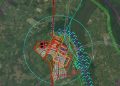
The project is implemented in 14 districts historically affected by unsustainable charcoal practices: Mubende, Kassanda, Kiboga, Nakaseke, Luwero, Nwoya, Amuru, Gulu, Lamwo, Kitgum, Adjumani, Obongi, Moyo, and Yumbe.
By investing in sustainable forestry and energy, the EU is helping Uganda reduce deforestation, build climate resilience, and open new economic opportunities. The results of the FM&SCVC project highlight how European–Ugandan partnerships can drive practical solutions to global challenges—ensuring environmental protection, sustainable livelihoods, and a healthier planet for future generations.
Disclaimer
The views and opinions expressed in this article are those of the author(s) and do not necessarily reflect the official position of the European Union. Responsibility for the content lies solely with the author(s) and the publishing platform.