


Uganda’s Independence Day celebrations will take a markedly quieter form this year, with the traditional large public gathering replaced by a virtual national event at State House in Entebbe.
Only 30 dignitaries and a limited number of religious leaders are expected to attend physically as Uganda marks 64 years since gaining independence from British colonial rule.
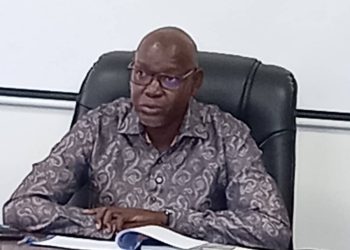
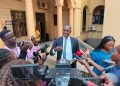
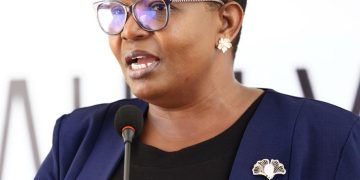
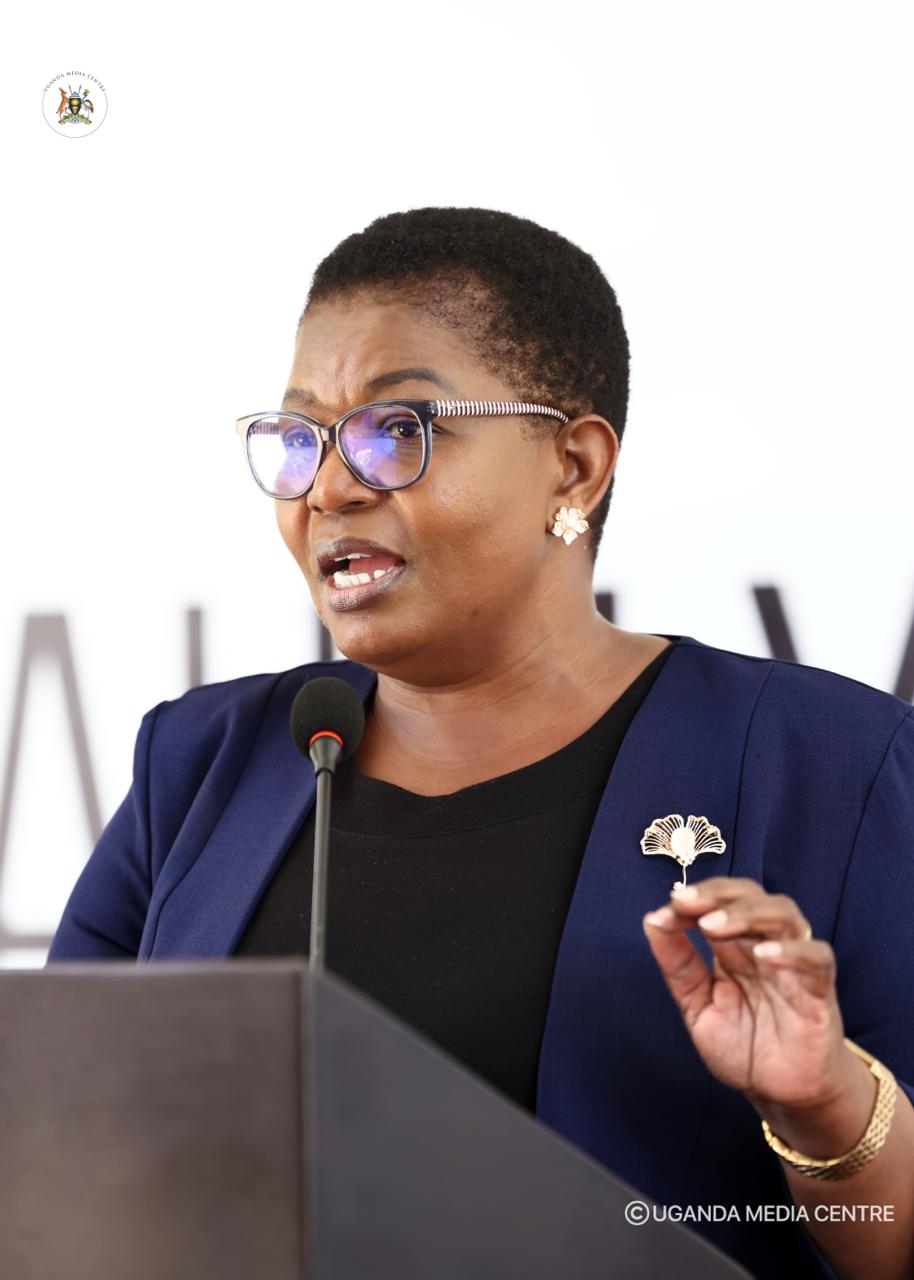
The arrangement was announced by the Minister of ICT and National Guidance Justine Kasule Lumumba while communicating Cabinet resolutions from its October 5 meeting at the Uganda Media Centre.
She said the celebrations on October 9 would be held under the theme, “Embracing our sovereignty with hope and visionary leadership.”
“Cabinet decided that this year’s Independence Day celebrations will be held virtually from State House, Entebbe. Only 30 dignitaries and a few religious leaders will attend in person,” Lumumba said.
The decision represents a significant departure from the large-scale national ceremonies that have traditionally drawn thousands of Ugandans, government officials, diplomats, religious and cultural leaders, as well as invited guests.
Last year, Uganda’s 63rd Independence Day was marked at Kololo Ceremonial Grounds in Kampala, where President Yoweri Museveni joined senior government officials, diplomats, religious and cultural leaders and other guests for a ceremony that included a national parade and other commemorative activities.
The President also delivered his annual Independence Day address, a feature of the celebrations through which the government has traditionally reflected on the country’s political, economic and social journey.
The main ceremony has not always been held in the capital.
In recent years, the government has moved the national celebrations to different parts of the country, giving communities outside Kampala an opportunity to host the event while showcasing their cultural heritage, development achievements and regional priorities.
In 2024, the 62nd Independence Day celebrations were held in Busia District in the Bukedi Sub-region under the theme, “Re-commitment to Secure and Fortify Our Destiny.”
The occasion was also used to highlight government programmes and development initiatives in the region.
Beyond the national ceremony, districts across the country have continued to organise their own Independence Day activities, allowing communities to participate in commemorations that have historically combined national reflection with cultural expression.
The celebrations have traditionally featured military and security parades, cultural performances, religious prayers and speeches, alongside the recognition of Ugandans considered to have made notable contributions to the country.
Last year, for example, 23 Ugandans were lined up to receive Independence Day medals for outstanding service to the nation.
Uganda became independent on October 9, 1962, ending British colonial rule, with Apollo Milton Obote becoming the country’s first Prime Minister.
This year’s reduced physical gathering comes as the government continues to frame the independence anniversary around Uganda’s development journey, national sovereignty, economic transformation and leadership.
With the main ceremony now centred on State House in Entebbe and participation largely taking place virtually, the 64th anniversary is set to be one of the country’s most restrained national Independence Day commemorations in recent years.
Uganda will officially mark 64 years of independence on Friday, October 9, 2026.