


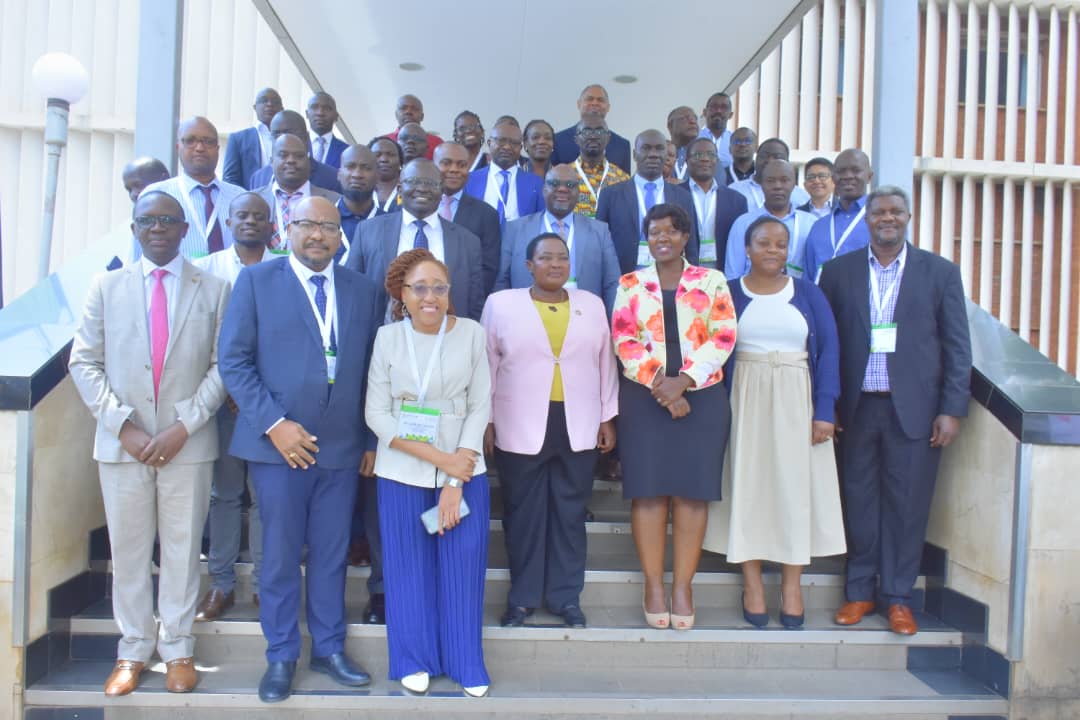
KAMPALA– Uganda’s Prime Minister, Rt. Hon. Robina Nabbanja, has called for regional cooperation and harmonized regulation of emerging biotechnologies especially gene drive technology at the opening of a high-level East African summit hosted by the African Union Development Agency (AUDA-NEPAD) in Kampala.
Speaking at the three-day regional engagement on biosafety and environmental regulation, Nabbanja emphasized the need for cross-border collaboration in developing and deploying genetically modified mosquitoes to combat malaria a disease that continues to devastate communities across Africa.
“Malaria transmitting mosquitoes don’t recognize borders and as such transboundary mechanisms must be in place,” said prime minister Nabbanja.
She underscored the urgency of aligning regional regulatory systems to ensure the safe and effective use of gene drive organisms, commending AUDA-NEPAD for convening policymakers, scientists, and regulators from across East Africa.
“Focusing on genetically modified mosquitoes and cross-boundary regulatory collaboration marks a timely and forward-looking response to these emerging realities,” she added. “The government of Uganda remains deeply committed to advancing responsible biotechnology as part of our broader public health and development agenda.”

“Africa is still developing and to develop, we must prevent disease,” said Prime Minister Nabbanja. “Malaria has held us back for too long.”
The summit is part of a continental directive from African Union Heads of State, following recommendations from the African High-Level Panel on Emerging Technologies, to harness cutting-edge innovations in the fight against vector-borne diseases.
AUDA-NEPAD: Empowering African-Led Innovation
Dr. Wiltshire Christian Nicolai Johnson, Coordinator of AUDA-NEPAD’s Integrated Vector Management Program, reinforced the Prime Minister’s message, noting that the summit is a critical step in building regional consensus on the regulation and deployment of gene drive technologies.
“This meeting is not just about science, it’s about governance, sovereignty, and building a future where Africans take the lead in transforming their health outcomes,” said Dr. Johnson. Adding that Africa must own the solutions to its own problems.
He identified Uganda and Burkina Faso as trailblazers in gene drive research on the continent, highlighting the importance of African-led efforts in solving Africa’s public health challenges. Gene drive technology an advanced form of genetic engineering designed to either suppress mosquito populations or reduce their ability to transmit malaria has shown promising potential, but also raises complex ethical and ecological considerations.

“Our role at AUDA-NEPAD is to support member states in building the necessary regulatory capacity to govern these innovations responsibly,” Dr. Johnson noted.
The summit includes field visits to gene drive research sites in Uganda and aims to produce a framework for regulatory capacity building, risk assessment, and harmonized policy development across the region.
Health Minister: Trust and Transparency are Essential
In a statement delivered by Dr. Daniel Kyabayinze, Director of Public Health, on behalf of Health Minister Dr. Jane Ruth Aceng, the government reiterated the critical role of public trust, regulatory integrity, and community engagement in the success of any gene drive initiative.
“Regardless of the cutting-edge science, if the people for whom we are doing this work don’t trust the process, we will have failed,” said Dr. Kyabayinze. “Integrity and transparency are pivotal to all our work.”

In the statement minister noted that in 2023 alone, Uganda recorded over 12 million cases and nearly 10,000 deaths, ranking third globally in malaria infections. The country, like many in the region, is facing growing resistance to both insecticides and antimalarial drugs.
Despite major strides such as reducing malaria parasite prevalence from 42% in 2009 to 9% in 2019, Uganda experienced a resurgence in cases during the COVID-19 pandemic, underscoring the fragility of recent gains.
In response, Uganda is set to roll out a Malaria Elimination Strategic Plan (2026–2030), which will incorporate gene drive tools, the malaria vaccine, and strengthened community-based approaches.
“This meeting allows us to foster cross-country learning and enhance regulatory capacity,” Dr. Kyabayinze added.
“We must ensure that scientific excellence goes hand in hand with regulatory integrity and community trust,” he emphasized.
The Minister also called for broader inclusion of social scientists and anthropologists in research and deployment plans to ensure community understanding and acceptance.