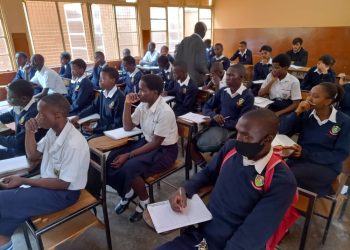
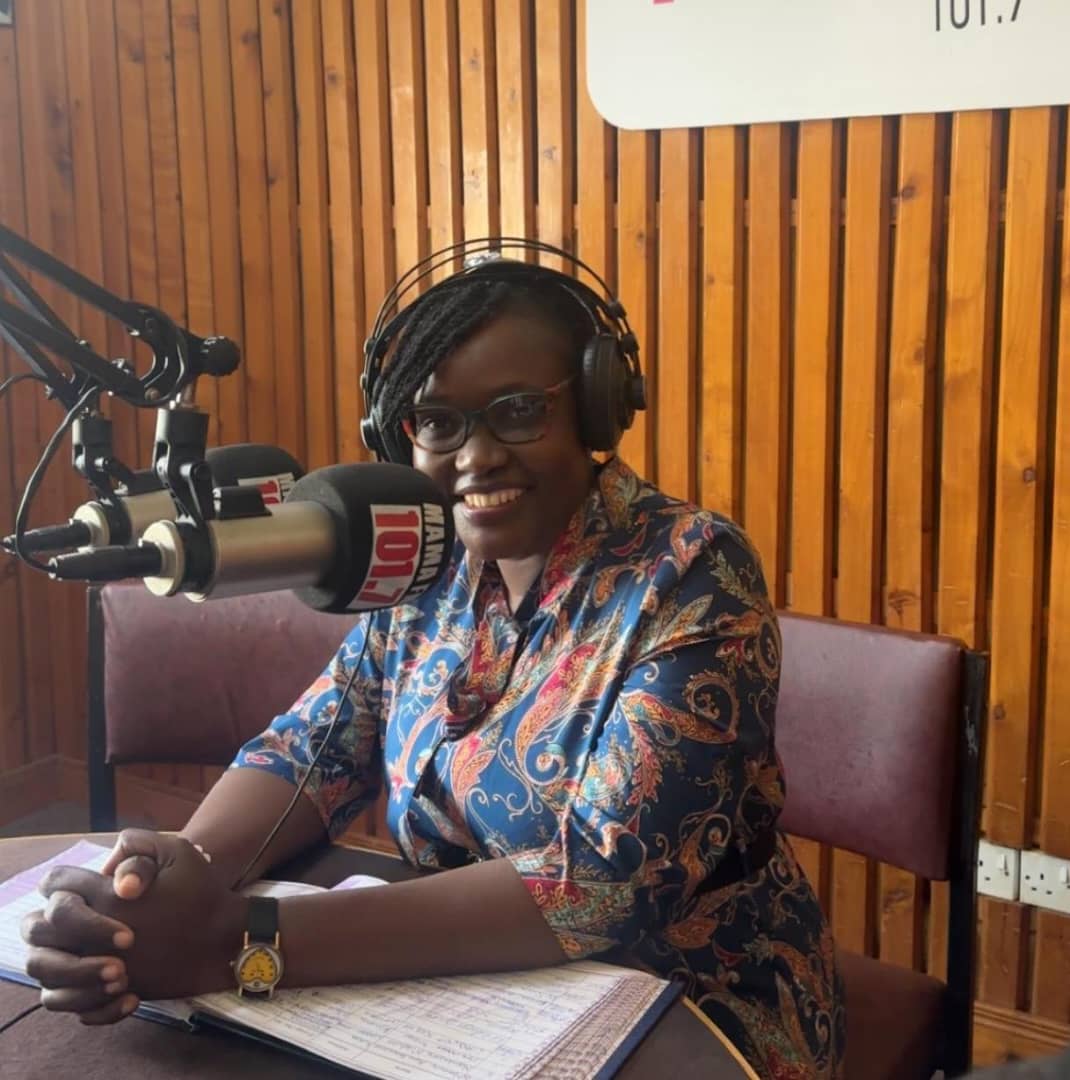
EDUCATION : High Sound for Children has commended the Hon. Minister of Education, who is also the First Lady, Janet Kataaha Museveni for raising this timely and important concern regarding completion rates within the primary education cycle.
“While the continued improvement in girls’ completion rates is encouraging and reflects sustained national and global efforts to address historical gender disparities, the declining proportion of boys completing primary school demands careful, evidence-based attention,” Minister Kataaha said on Friday during release of examination results at Nakasero State Lodge.
Analysis by gender showed that 389,469 boys, representing 47.6 percent, completed the primary education cycle compared to 428,324 girls, or 52.4 percent. This pattern has persisted in recent years, with data from 2024 showing that 52.5 percent of girls completed primary school compared to 47.5 percent of boys. As the Minister rightly noted, it is essential to determine whether this trend is driven by demographic factors or signals higher dropout rates among boys.
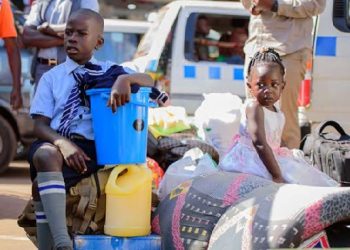
Drawing from its direct work with children, schools, and communities, High Sound for Children recognizes that boys face distinct vulnerabilities that may contribute to disengagement from schooling. These include pressures to engage in child labour and income-generating activities, negative peer influence, substance abuse, a lack of male role models in lower primary education, and social norms that may discourage academic persistence among boys.
At the same time, years of focused policy attention and targeted programming for girls’ education have produced measurable gains. These achievements should be safeguarded and built upon, not reversed. Instead, they should guide a more balanced, data-driven approach to education equity that ensures no child boy or girl is left behind.
“Our concern is not about shifting attention away from girls, but about responding responsibly to emerging gaps,” said Hadijah Mwanje, Executive Director of High Sound for Children. “Education systems must be flexible and responsive to evidence. When new vulnerabilities appear, we must address them with the same urgency and commitment that helped close long-standing gender disparities.”
She emphasized the need for a comprehensive analysis of enrolment, attendance, and completion data disaggregated by sex, region, and socio-economic status, alongside qualitative research that captures the lived experiences of boys who drop out or are at risk of dropping out. Strengthening school-based mentorship and psychosocial support systems for both boys and girls, as well as engaging communities to challenge harmful norms and promote the value of education for all children, remains critical.
“Education equity requires vigilance and responsiveness. High Sound for Children remains committed to working with the Ministry of Education and Sports, schools, development partners, and communities to ensure that every child in Uganda not only enrols in school but completes the primary cycle with dignity, confidence, and opportunity. Together, we can build an education system that reflects the realities of all children and upholds their right to learn and thrive,” she said.