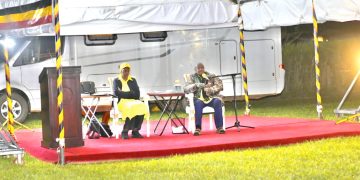




MAYUGE DISTRICT: National Resistance Movement (NRM) presidential flag bearer, Gen. Yoweri Kaguta Museveni, has commissioned mobilisation teams that will spearhead the dissemination of the party’s manifesto at parish level across all districts in the country.
The teams led by NRM district chairpersons have been tasked with ensuring that the party’s ideology and message reach parish leaders, village communities, and workplaces. Their core responsibility is to coordinate structured mobilisation and strengthen the party’s presence at the grassroots
 While addressing district chairpersons and mobilisation teams at Mayuge State Lodge last night, President Museveni outlined the strategy, explaining that each village will have a team of 63 leaders. These will include 30 elected NRM structure leaders, LC1 executives, youth representatives, and women council members.
President Museveni further demonstrated the potential impact of the strategy, noting that if each of the 63 leaders attracted at least three new supporters, the plan could significantly boost the NRM’s voter base across Uganda’s 72,000 villages.
He emphasized the centrality of ideology in politics, saying: “Politics needs ideology. Without it, you cannot manage. You must understand the NRM ideology in order to guide the people effectively.”
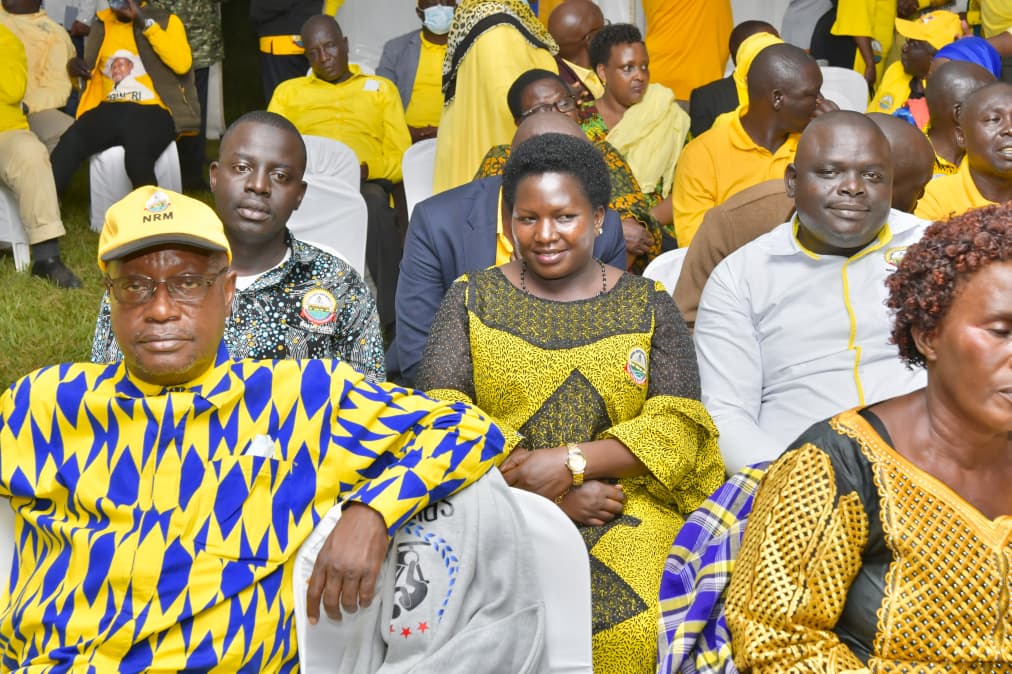 The President explained that the manifesto message had been carefully prepared for leaders to deliver to the electorate. He said the campaign approach is deliberately centered on villages where people live and workplaces where they earn their livelihoods. These workplaces include factories, hotels, markets, and schools.
“If you are a chairperson in your area, ensure that all these places are reached by our campaign teams,” he said, adding that schools will use patriotic clubs for mobilisation. He projected that, if properly executed, the strategy could reach 14 million voters, making it the most efficient approach.
President Museveni also clarified that voluntary mobilisation groups are free to continue their work, noting that their efforts complement the newly commissioned structures.
 The President instructed the parish mobilisation teams to clearly explain the achievements of the NRM government, particularly in restoring peace and security, driving development, creating wealth and jobs, opening markets, and promoting regional integration.
He also urged them to help the population understand the importance of prioritisation in national planning, highlighting that some delays in service delivery such as road reconstruction stem from competing priorities pushed by various leaders.
“We believe in strict prioritisation and focusing on the most important needs with the limited resources available,” he said. “But some leaders tend to scatter resources, pushing for salary increases, new districts, new cities, and other demands, which causes delays.”