


KAMPALA, Uganda : The strategic financial contribution of US$6 million by DFCU Bank as part of its Corporate Social Responsibility (CSR) initiative towards the construction of a state-of-the-art National Sickle Cell Centre of Excellence at St. Francis Hospital Nsambya is expected to transform a Rotary initiative into a national impact programme.
In Uganda, where an estimated 25,000 babies are born with sickle cell disease every year, and 80% die before their fifth birthday without early diagnosis, the Rotary Club of Kiwafu Breeze Muyenga has expressed concern and resolved to take action.
“Chartered in January 2026, our young club chose sickle cell disease screening, testing, and awareness as its signature project, and we are moving fast from awareness to action,” noted Erostus Nsubuga Njuki, who was recently installed as the maiden president of the Rotary Club of Kiwafu Breeze Muyenga.
“We are deeply indebted to DFCU Bank for believing in a club that is barely a year old. Their Corporate Social Responsibility commitment has turned a Rotary idea into a national impact programme and entrenched the power of the Rotary corporate partnership model,” he said.
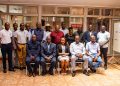
Nsubuga explained that while screening saves lives and secures the future, Uganda also needs permanent infrastructure. This, he said, is why the club entered into a tripartite partnership with St. Francis Hospital Nsambya and the Uganda Sickle Cell Rescue Foundation to establish the proposed centre.
He noted that they are among the first few Rotary clubs in Africa to recognise sickle cell disease as a critical public health issue, a development that has propelled them to champion efforts aimed at reducing the burden through mass public sensitisation campaigns.
Nsubuga observed that the proposed centre will provide comprehensive care under one roof, offering services ranging from newborn screening, specialised clinics, pain management, hydroxyurea treatment, psychosocial support, and research, while also serving as a training hub for health workers across Rotary District 9214.
“We are grateful to Nsambya Hospital for providing the land and to Rotary for the vision. The proposed centre will be a beacon of hope for thousands of families,” said Dr. Andrew Ssekitoleko.
Dr. Ssekitoleko said the hospital board took a bold decision to support the request presented by Rtn Nsubuga and his team because of the large number of sickle cell victims, especially children.
Nsubuga also thanked the government, through the Ministry of Health Uganda, for launching a nationwide mandatory newborn screening programme for sickle cell disease on February 9, 2026, aimed at improving early diagnosis and management.
He noted that the initiative followed the recognition of sickle cell disease as a major public health concern in Uganda.
Speaking about the partnership with the Uganda Sickle Cell Rescue Foundation (USCRF), Nsubuga said none of the achievements would have been possible in isolation, noting that the foundation serves as the club’s technical partner by providing clinical protocols, counsellor training, national data alignment, and ensuring that every medical camp meets Ministry of Health standards, with every identified patient linked to care.
Taking Testing Programmes to Schools and Universities
The club administrator, Kathy Aduba Odong, separately applauded the partnership with DFCU Bank, whose generous funding has underwritten every outreach programme.
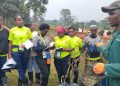
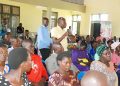
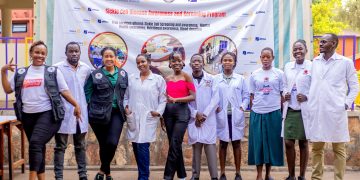
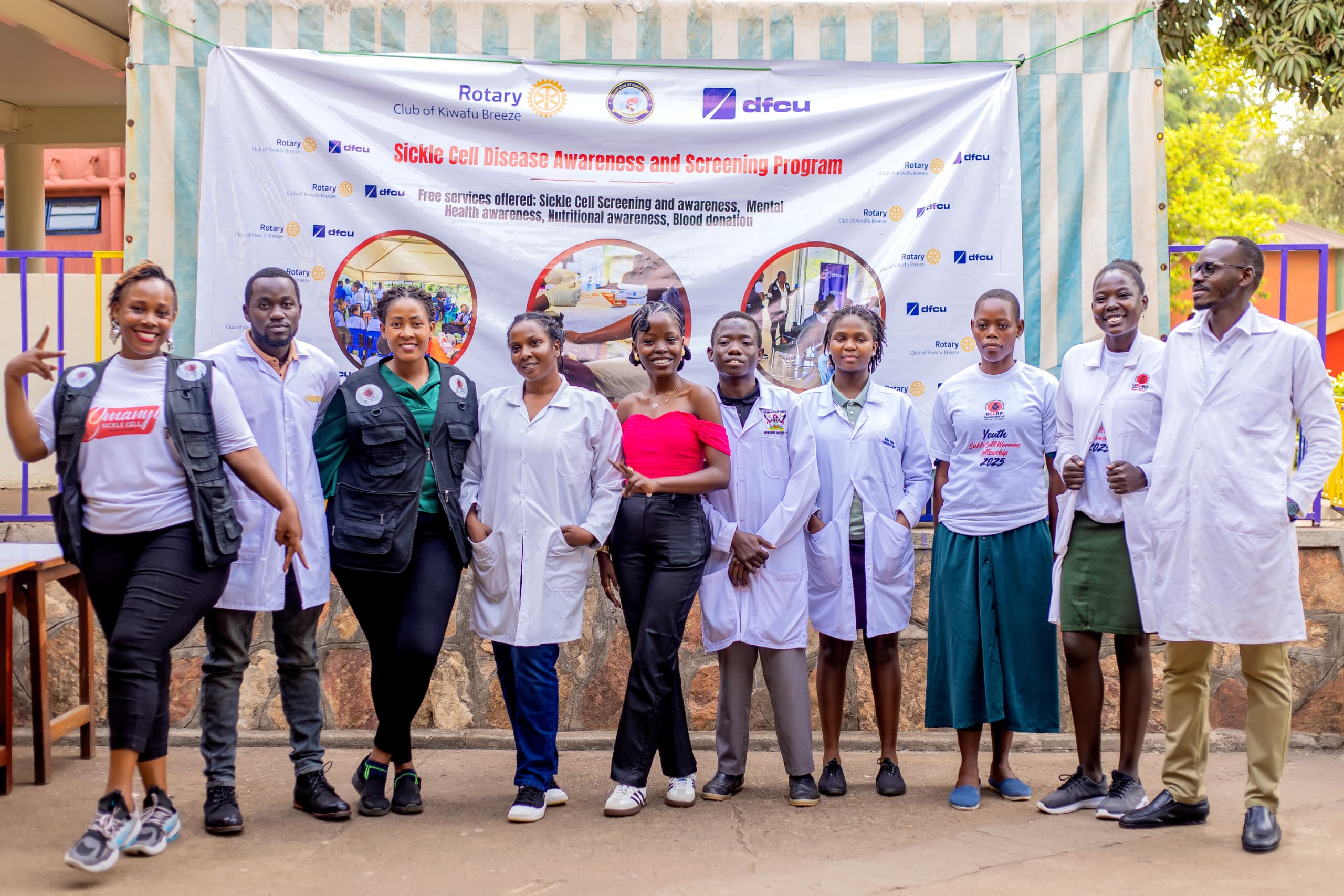
She revealed that the club has already conducted two major medical camps this year. The first was held at Greenhill Academy, where more than 302 students and teachers were screened, counselled, and informed of their genotype status, many for the first time.
The club later hosted another camp at Seeta High School, where another 306 young people joined the “Know Your Genotype” movement. Each camp combined free testing with youth-friendly education sessions led by warriors and medical volunteers.
The rector of Greenhill Academy, Joy Maraka, said many students did not know their sickle cell status despite being at an age where relationships begin.
“Rotary has empowered them to make informed future life choices,” she said.
Kathy noted that the programme is not just about screening students, but also “screening Uganda’s future parents.”
Under the campaign targeting educational institutions, she said the team is now preparing to move to Clarke International University, where they expect to screen more than 300 undergraduates.
She added that by the end of June 2027, the programme aims to reach at least 1,200 youths through its awareness and testing campaigns.