


BUDUDA, Uganda —A new report has revealed a remarkable decline in child labour across Bududa District following the successful implementation of a three-year community-driven project that tackled poverty, school hunger, and weak monitoring systems head-on.
According to end-line surveys, 93% of respondents in the core intervention area of Bukalasi perceived a significant reduction in child labour risk, with 60% of households reporting actual decreases compared to the 2023 baseline.
The Raising Economic and Social Security in Agriculture for Child Labour Eradication (RESOURCE Project), which began in June 2023 and concludes this month, was led by Cordaid in partnership with Global March Against Child Labour and with support from Bread for the World (BFW).
A March 2024 baseline survey had painted a grim picture: 80% of profiled households had at least one school-age child working on coffee plantations. Over 563 children were found working across 303 households, with an average age of 12 and 53% being girls. More than 45,000 children were completely out of school district-wide, driven largely by hunger and the demands of the coffee harvest.
The project introduced a Smart, Sustainable Model addressing four key drivers: child labour monitoring, farmer capacity building, seeds for education, and stakeholder alliances.
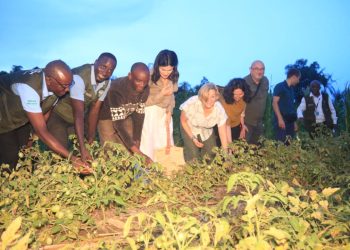
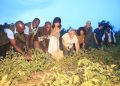
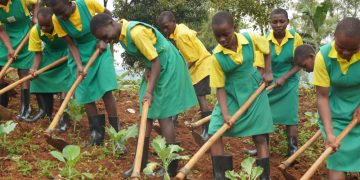
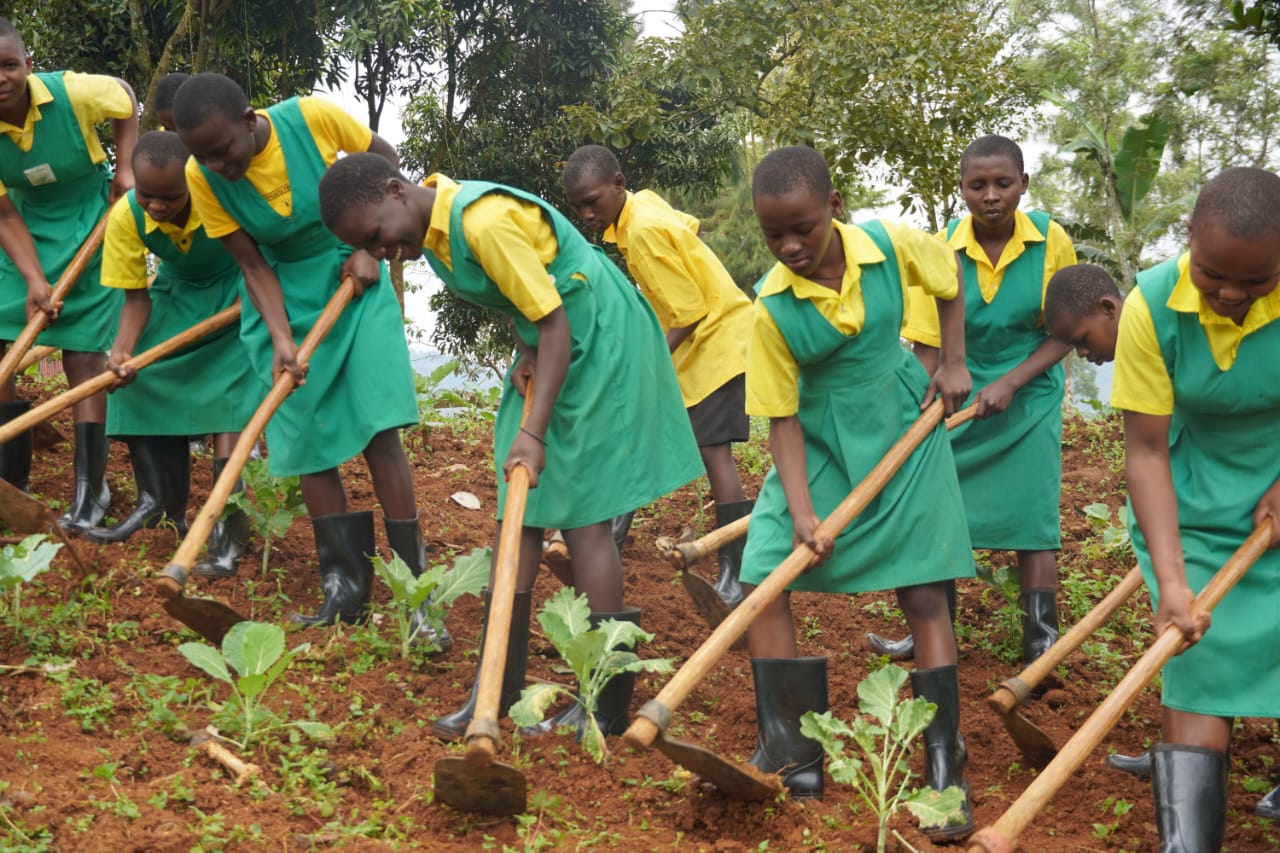
Under the initiative, smallholder farmers received intensive training in modern agronomy, income diversification, post-harvest handling, and marketing. School gardens were established to provide sustainable daily meals, reducing hunger-driven absenteeism. Teachers and lead farmers were trained as monitors to identify and support at-risk children.
Key Achievements
The project directly reached over 300 smallholder farming households and two pilot schools — Bukalasi COU Primary School and Buchunya Primary School. It trained 40 lead farmers (including 16 women), who cascaded knowledge to at least 10 neighbouring farmers each, creating a powerful multiplier effect.
47 community and school monitors were equipped to run the Child Labour Monitoring and Remediation System (CLMS). Full school feeding programmes were established at both pilot schools, achieving 100% uptake. The project also signed a formal Memorandum of Understanding with Bududa District Local Government and partnered with major cooperatives including Gumutindo and Bushika Integrated Area Enterprises, as well as the Uganda Coffee Development Authority (UCDA).
Transformed Lives
Mr. Charles Waleba, Head teacher of Bukalasi COU Primary School, said the mindset in the community has fundamentally shifted.
“Child labour is no longer accepted in the community and even learners fear that if they drop out, child labour monitors will follow them.”
Ms Mereth Namwenya, a lead farmer from Buchunya, described the dramatic change in her livelihood.
“The project has transformed my farm from low yields to a better source of income and food for my family.”
Mr Robert Wamboyo, LC1 chairperson of Butsebangwe village and father of 12 children, has become a trainer of trainers since joining the project in October 2023.
“I now earn UGX 20,000 per day training other farmers and I expect a significant yield increase in the coming harvest,” he said.
At Buchunya Primary School, Head Girl Namulembwa Angela spoke movingly about the impact of the school feeding programme.
“Before the school feeding programme, I often stayed hungry throughout the day. Now I can stay focused and complete all my lessons without leaving early. My academic performance has also improved steadily.”
Sustained Effort Needed
While the results are encouraging, the survey noted that 53% of households still observe some child work, mostly during the peak coffee harvest season (October–December). This overlap with the school term remains a challenge, signalling that continued vigilance and support will be required.
Cordaid, an international humanitarian and development organisation operating in fragile regions worldwide, emphasized that the project’s success stems from empowering local communities, civil society, and the private sector to lead their own development.
The RESOURCE Project stands as a model of how integrated, community-owned interventions can break the cycle of poverty and child labour in Uganda’s coffee-growing regions.