



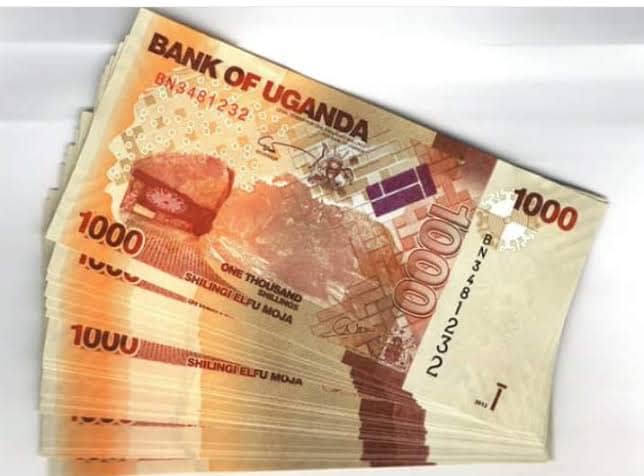
ABSA BANK Uganda Weekly Markets Update (UGNEWSLINE) – The Uganda shilling experienced another volatile week against the US dollar, initially extending its depreciation to a fresh record low before recovering on improved foreign-currency supply and softer demand.
The local unit opened Monday at UGX 4440 / 4450 and weakened to UGX 4500 / 4510, as sustained interbank demand from importers, offshore investors and energy-sector participants significantly exceeded available dollar inflows. Sentiment improved sharply on Tuesday, with subdued demand and healthier foreign-currency inflows enabling the shilling to recover from UGX 4500 / 4510 to an intraday high of UGX 4340 / 4350, before closing at UGX 4380 / 4390.
The recovery extended into mid-week, although some early gains were subsequently reversed, while Thursday’s session saw the shilling briefly weaken to UGX 4385 / 4395 before improved inflows supported a firmer close at UGX 4345 / 4355. Overall, the shilling appreciated by approximately 2.1% from Monday’s opening midpoint but remained at historically weak levels following the severe depreciation recorded during October. Looking ahead, the shilling is expected to remain volatile as persistent importer and energy-sector demand continues to meet uneven foreign-currency supply. Uganda’s energy-sector dollar requirements reportedly increased from USD 360 million in the three months to September 2025 to USD 620 million in the corresponding period of 2026, partly reflecting oil-project imports and higher global fuel costs.
The broader pressure has also been compounded by elevated oil, freight and insurance costs, weaker coffee and cocoa prices, lower tourism receipts and reduced foreign-investment inflows, although stronger remittances have provided a partial offset. The tighter monetary-policy stance, improved commodity and remittance inflows, and possible further action by the Bank of Uganda should provide intermittent support. However, sustained corporate demand and renewed offshore portfolio exits could quickly reverse recent gains. In the near term, USD/UGX is expected to trade within a broad UGX 4300–4500 range, with the balance of risks remaining tilted toward renewed shilling weakness.
Money market liquidity remained tight throughout the week, with both local and offshore participants seeking shilling funding. Overnight and short-term rates averaged around 12.50% on Tuesday before rising to 12.50%–12.75% on Thursday, reflecting the continued transmission of the higher policy rate and constrained system liquidity. The Bank of Uganda remained on the sidelines, conducting no open market operations.
Secondary-market activity improved across the curve but remained predominantly offer-driven, as liquidity requirements prompted selling across most maturities and maintained upward pressure on yields. At the Treasury bond auction, yields repriced higher across the reopened 2-year, 5-year, 15-year and 25-year benchmarks, reflecting elevated inflation expectations, increased government borrowing requirements and investors’ preference for higher risk-adjusted returns. Despite the tighter money market conditions, demand for government securities remained strong, with bids totaling UGX 1.881 trillion against UGX 1.400 trillion offered, representing a bid-to-cover ratio of 1.34 times.
The Bank of Uganda accepted UGX 1.734 trillion in cash terms, with demand concentrated in medium- and long-term maturities. Looking ahead, interbank liquidity is expected to remain constrained, keeping funding rates elevated and sustaining a firmer yield bias, while the higher accepted yields may increase the government’s debt-servicing costs.
The Kenyan shilling remained under moderate pressure against the US dollar during the week, with USDKES rising from 129.90/130.00 on Monday to 129.95/130.05 by the close of the week. Persistent demand from the manufacturing, energy, services and FMCG sectors kept the pair anchored around the 130.00 level. Central Bank intervention helped contain the pressure, while corporate and hedging-related inflows provided some support. However, foreign-currency supply remained insufficient to drive a sustained recovery in the local unit.
Looking ahead, USDKES is expected to trade within the 129.75–130.25 range, with risks moderately tilted toward further shilling weakness as corporate and importer demand persists. Diaspora remittances, institutional inflows and continued Central Bank intervention should limit excessive volatility. However, sustained trading above 130.00, particularly amid slowing inflows or declining foreign-exchange reserves, could expose the pair to further upside pressure.
Oil prices were broadly unchanged over the week but experienced significant intraday volatility as geopolitical developments in the Middle East dominated trading. WTI fell to a weekly low of USD 99.90 per barrel, while Brent declined to USD 113.88, before rebounding sharply following reports of a Houthi missile strike on Saudi Arabia’s Ras Tanura refinery. Prices subsequently retreated as renewed US-Iran diplomatic efforts reduced the immediate geopolitical risk premium. By Friday , WTI had recovered to USD 103.40, representing a weekly gain of 0.12%, while Brent traded at USD 116.43, down 0.25% over the week. Despite the muted weekly performance, both benchmarks remain significantly higher over longer horizons, with WTI and Brent gaining approximately 71% and 79%, respectively, over the past year.
The near-term outlook remains highly sensitive to Middle East supply risks and diplomatic developments. Oil flows through the Strait of Hormuz remain materially below pre-conflict levels, sustaining a sizeable risk premium despite broader regional exports remaining relatively resilient. Attention now turns to the upcoming OPEC+ meeting, where production targets are expected to remain unchanged, alongside commentary from the ADIPEC conference and Saudi Aramco’s December official selling prices. With both the Federal Reserve and European Central Bank maintaining restrictive policy settings, macroeconomic conditions could constrain demand expectations; however, geopolitical headlines are likely to remain the principal driver of short-term price movements. Consequently, crude prices are expected to remain elevated and volatile, with renewed supply disruptions presenting the primary upside risk.
Gold ended the week modestly lower, declining approximately 0.3% to $3,998 per ounce after briefly reaching $4,058.80 on Tuesday. The metal weakened following the Federal Reserve’s hawkish decision to hold rates at 3.75%–4.00%, with two policymakers favoring an immediate increase and Chair Warsh keeping a December hike firmly in consideration. A resilient dollar, elevated real yields and emerging outflows from gold-backed ETFs added to the pressure, pushing bullion below the psychologically important $4,000 level and leaving it around 28% below its January peak. Although gold outperformed the broader commodity market’s 1.6% weekly decline, its failure to attract meaningful safe-haven demand during Friday’s equity-market selloff highlighted the continued dominance of interest-rate dynamics. Near-term direction will depend on upcoming US inflation data, the dollar’s performance following the November 3 midterm elections and expectations for the December Fed meeting. While some investors anticipate a recovery toward $4,500 per ounce as positioning becomes lighter, the prospect of further monetary tightening and sustained dollar strength remains the principal constraint on gold.
Both the Euro and sterling recorded a mixed performance against the US dollar this week, with EUR/USD declining 0.20% to 1.1180, while GBP/USD gained 0.14% to 1.3393. The euro remained under pressure after the ECB held its deposit rate at 2.50%, while President Lagarde’s early departure announcement, persistent French fiscal concerns and bearish options positioning added to policy uncertainty. A resilient dollar, supported by elevated US interest rates and stronger inflation data, provided an additional headwind. EUR/GBP consequently fell to 0.8354, its lowest level since April 2025, highlighting sterling’s relative outperformance. Sterling benefited from a market-friendly UK Budget that emphasized fiscal restraint and household support while avoiding broad tax increases, prompting gains in gilts and UK equities. Expectations that the Bank of England will raise rates by 25 basis points to 4.00% on November 5 provided further support, reinforced by resilient labor-market data. However, the UK’s debt burden, now above £3 trillion, remains a medium-term risk. Looking ahead, the BoE decision will be the main catalyst for sterling, while the euro will remain sensitive to French fiscal developments, ECB guidance on a possible December hike and movements in US Treasury yields.
By Richard Nsubuga- Head of Trading, CIB Markets, Absa Bank Uganda