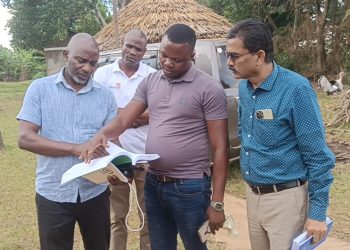



KAWEMPE, Kampala — The Presidential Skilling Hub in Kawempe Division is steadily transforming the lives of vulnerable young people, particularly those from ghetto communities, by turning them into productive and self-reliant citizens.
The initiative, run under State House with the support of His Excellency President Yoweri Kaguta Museveni, is offering hope, skills, and a new sense of purpose to youth who once lived on the margins of society.
Many beneficiaries attest that the program has completely changed their life paths. Among them are Derick Nakibinge and Nyanzi Kamuli Sulaiman, who openly acknowledge that they spent several years in ghettos surviving through crime, including theft and violent activities.
The two also revealed that they were previously strong supporters of the opposition and were involved in groups that resisted President Museveni’s 2021 election victory. According to them, their political stance was driven by hopelessness, unemployment, and lack of direction.
 “I was a diehard supporter of the National Unity Platform (NUP), and we were among the bad gangs that used to rob people of phones, bags, and other valuables,” said Sulaiman. “When we were arrested, we got a chance to meet President Museveni. He advised us to embrace patriotism, love our country, and acquire skills. At that time, we were criminals, robbers, and even killers, but today we are different people.”
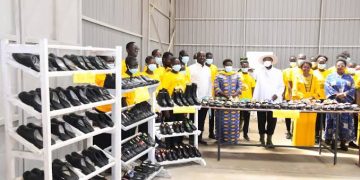
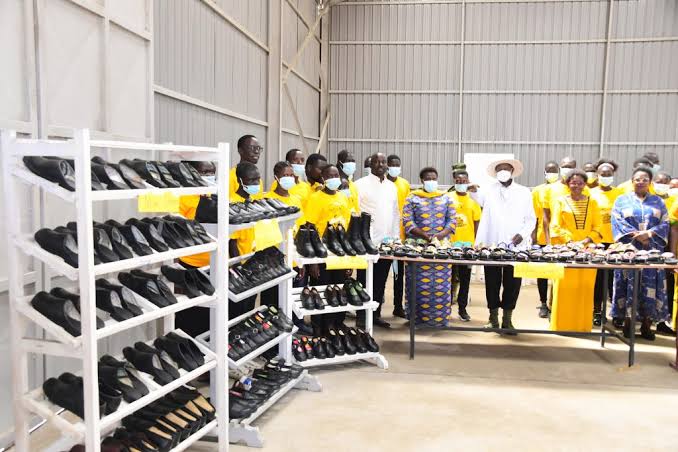
Sulaiman explained that through the skilling hub, he underwent both mindset change and practical training in shoe making. He has since graduated and is now a trainer, passing on skills to other young people.
“We thank H.E. President Museveni for this intervention which has changed the lives of many young people who once felt forgotten and abandoned,” he added.
Sulaiman called upon young people, especially those living in ghettos, to take advantage of the free skilling opportunities available at the hub. He emphasized that supporting the opposition without personal development was a waste of time and urged youth to first focus on transforming their own lives.
“Before thinking about joining opposition politics, think about changing your way of living. Opposition will not help you put food on the table,” he said, while also appealing to the President to sustain and expand the program, noting that it holds the future of many youths.
On his part, Derick Nakibinge recounted a life marked by crime and incarceration. He revealed that he spent nearly eight years in prison due to criminal activities he and his peers engaged in while living in the ghetto.
“After my release, I joined the skilling program. At first, I thought we had to pay, but I was shocked to find everything was free,” Nakibinge said. “After graduation, I became an instructor. Today, I am a role model in my community. I thank President Museveni for this life-changing opportunity.”
Nakibinge also urged young people from ghetto communities to embrace skilling programs and support President Museveni, whom he credited for restoring hope to disadvantaged youth.
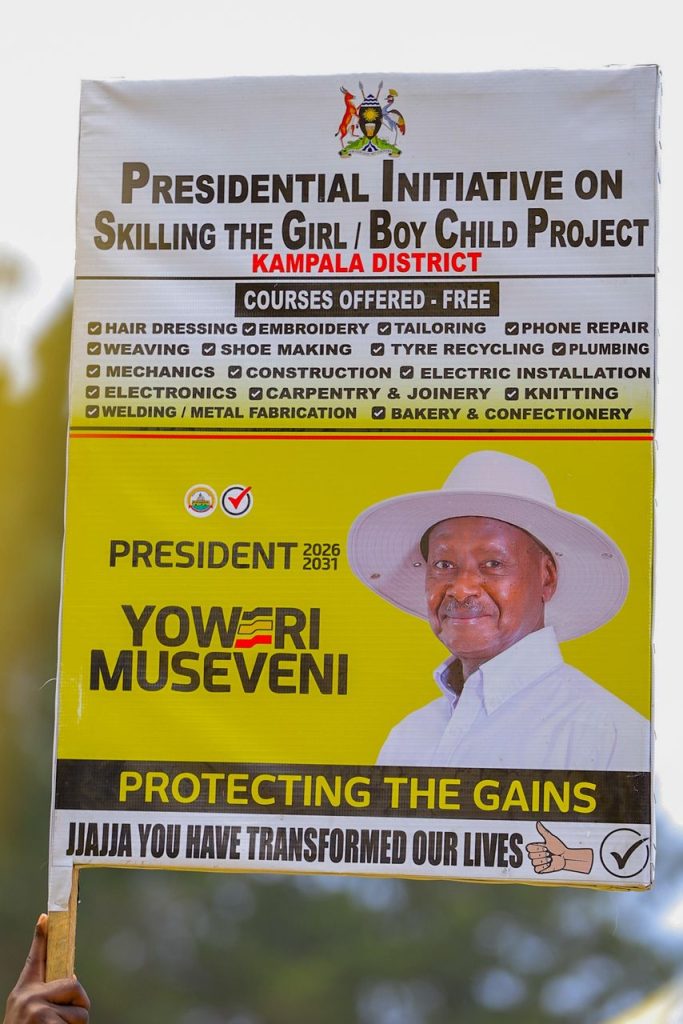
The Presidential Skilling Hub in Kawempe is part of the broader Presidential Initiative on Skilling the Girl/Boy Child (PISGBC) in Kampala. The initiative operates nine skilling centres across the city’s five divisions—Kawempe, Nakawa, Makindye, Kampala Central, and Rubaga.
The centers offer free, six-month vocational training courses in trades such as tailoring, carpentry, welding, electronics, construction, and shoemaking. Graduates receive certification from the Directorate of Industrial Training (DIT) and startup capital to help them establish their own businesses.
The overall goal of the program is to empower underprivileged youth with employable skills, reduce unemployment, promote entrepreneurship, and integrate young people into the money economy while supporting import substitution.
As testimonies from Kawempe show, the Presidential Skilling Hubs are not just training centers—they are lifelines restoring dignity, direction, and hope to Uganda’s youth.