


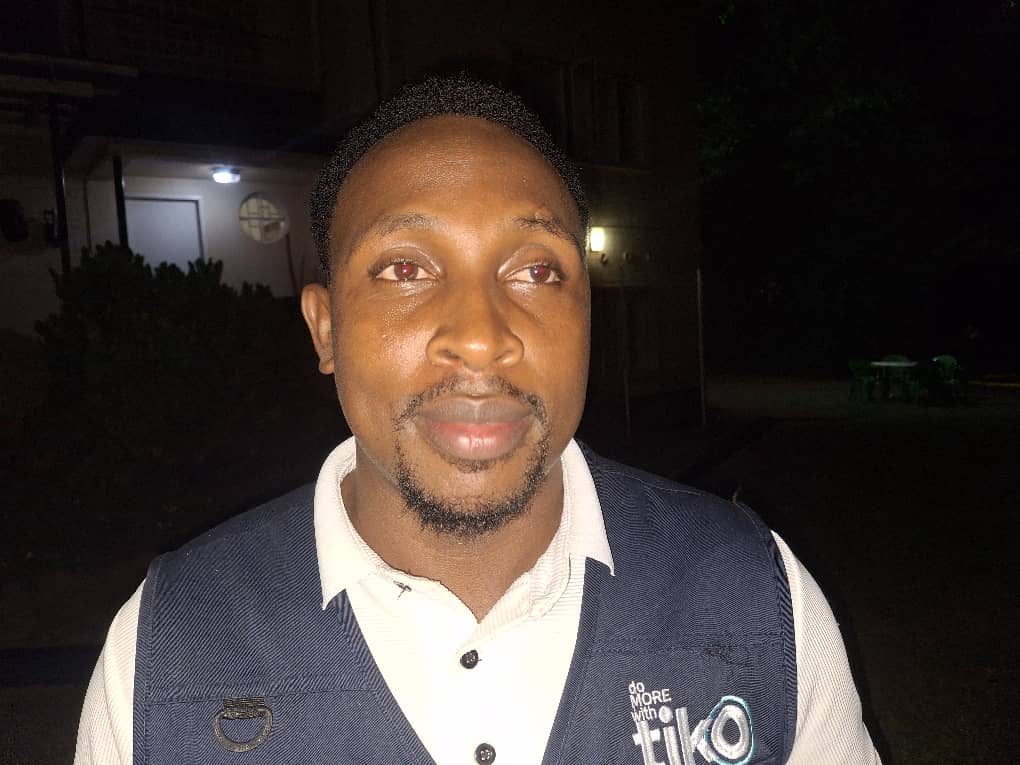
MAKINDYE, Kampala– tiko Uganda is calling on the Ugandan government to deepen collaboration with key stakeholders to address the rising cases of Gender-Based Violence (GBV), especially among young girls.
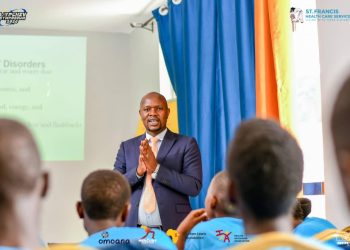
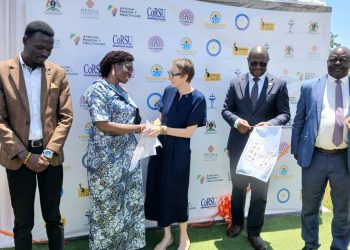
The appeal was made by Frank Kuteesa, the organization’s Mental Health Officer, during a fireside-chat event held at Makindye Country Club. The discussion was part of tiKO’s launch of activities for the 16 Days of Activism Against Gender-Based Violence, organised in partnership with the Uganda Youth and Adolescents Health Forum.
Kuteesa expressed concern over the increasing cases of sexual harassment in Uganda, stressing that many communities remain passive in the face of abuse.
“We have communities that simply watch on. They are not responding to what is happening to young people. This silence allows the threats against young girls to grow,” he said.
He emphasized that conversations like the fireside chat are a critical tool for awareness and prevention.
“If we do not respond, the young girl continues to face threats that affect her life and her future. Creating awareness helps young people know what can happen, where they can go for help, and what services are available,” Kuteesa added.
He noted that survivors of sexual violence face increased risks such as HIV, teenage pregnancy, trauma, and long-term mental-health challenges. Early reporting, he stressed, is essential.
“If a survivor reaches a health facility within 72 hours, many long-term effects can be prevented. But they can only do that if they know where to go,” he said.
Kuteesa also highlighted the role of parents in preventing abuse, noting growing concern about parental neglect.
“I don’t want to blame the young people. Parents need to create a peaceful, supportive environment where teenagers feel free to share what they are going through. When parents stop listening, they stop protecting,” he said.
Calling GBV a threat not only to families but to national productivity, Kuteesa urged the government to work more closely with partners and ensure public institutions are equipped to respond.
“Uganda’s future is in its youth. If we let these issues continue, the country is sinking. Government must bring together all stakeholders and ensure public health facilities are well-resourced to handle the rising cases,” he stressed.
Child Sexual Abuse ‘Rampant and Poorly Addressed’
Dr. Nantongo Angela Segwanye, from Maria Treza Medical Center on Salama Road, also raised alarm over the growing number of child survivors of sexual abuse.
She said many children do not even understand what is happening to them at the time of abuse.
“Most abused children cannot defend themselves because they lack knowledge. Their abusers often instruct them on what to do, and the children comply without understanding,” Dr. Nantongo explained.
She called for stronger child-protection systems and more education to empower children to recognize and report abuse.
Background: 16 Days of Activism Against Gender-Based Violence
The 16 Days of Activism Against Gender-Based Violence is an annual international campaign that runs from 25 November (International Day for the Elimination of Violence Against Women) to 10 December (Human Rights Day). Launched in 1991, the campaign aims to raise awareness, influence policy, and galvanize global action to prevent and eliminate all forms of violence against women and girls.
In Uganda, civil-society organizations, youth networks, and government institutions use the 16 days to highlight issues of sexual violence, harmful cultural practices, access to justice, and gaps in health services—while advocating for stronger protection systems and community accountability.